For years, leadership has been shaped by a traditional mold—one that often excluded women from top decision-making roles. But that’s changing fast. Women leaders are stepping into key positions across industries, driving innovation, boosting company performance, and fostering inclusive workplaces. The question is: What’s shifting, and what does the future of business look like with more women at the helm?
Women Leaders Drive Better Business Outcomes
Companies with diverse leadership teams outperform their competitors. Research from McKinsey & Company shows that organizations with women in executive roles are 25% more likely to have above-average profitability. Women bring different perspectives, emotional intelligence, and collaborative leadership styles that improve problem-solving and decision-making.
Beyond financial performance, women leaders cultivate workplace cultures that prioritize inclusion and flexibility. They champion policies that benefit employees at all levels, such as parental leave, mental health support, and work-life balance initiatives.
The Shift in Leadership Styles
The old-school, top-down leadership model is fading. Today, businesses thrive on collaboration, adaptability, and emotional intelligence—all strengths commonly found in female leadership. Women lead empathetically, fostering environments where employees feel heard and valued. This leads to higher retention rates, stronger team performance, and more significant innovation.
Case in point: New Zealand’s former Prime Minister Jacinda Ardern made headlines for her empathetic and transparent leadership during crises, proving that effective leadership isn’t about dominance but connection and trust.
Industries Seeing the Biggest Shift
Women are gaining ground in traditionally male-dominated industries:
- Technology: More women are leading Fortune 500 tech companies, including Lisa Su at AMD and Safra Catz at Oracle. Efforts to bridge the gender gap in STEM are paying off.
- Finance: Female CEOs like Jane Fraser at Citigroup are reshaping banking, emphasizing sustainability and inclusive economic policies.
- Politics: Women hold key government positions worldwide, influencing policies on healthcare, education, and gender equality.
These changes aren’t just about representation—they signal a fundamental shift in how businesses and institutions operate.
Challenges Women Leaders Still Face
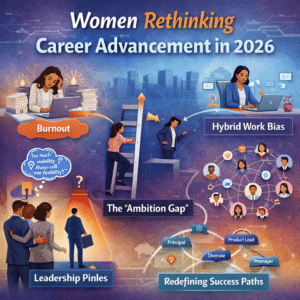
Despite progress, barriers remain. Women are still underrepresented in C-suite roles, often face gender bias, and are judged more harshly for assertiveness. The “double bind” dilemma—where women must balance being likable and authoritative—remains a challenge.
Additionally, women are more likely to experience burnout due to the disproportionate burden of caregiving responsibilities. Organizations that want to support female leadership must invest in mentorship programs, equitable pay, and policies that promote work-life integration.
What’s Next for Women in Leadership?
The future belongs to companies that embrace diversity at the top. Businesses that fail to promote women into leadership roles risk falling behind in innovation, employee engagement, and profitability. The push for gender parity must continue, not just for fairness, but because it’s a strategic advantage.
Expect to see more women step into high-impact roles, shape industries, and redefine leadership for the modern workplace. The momentum is unstoppable, and the future of business looks brighter because of it.
Read More: Women at the Helm: Transforming Leadership Styles in the Modern Era
Emerging Women Leaders in Tech: Shaping the Future