Leadership, once confined to traditional norms and rigid hierarchies, is undergoing a paradigm shift, and women leaders are at the forefront of this transformation. From boardrooms to grassroots movements, women are redefining what leading effectively in a complex, fast-changing world means.
The Evolution of Leadership
Historically, leadership often mirrored the traits associated with dominance and authority. But the modern era demands more than just a top-down approach. Women leaders bring collaboration, empathy, and innovation into leadership, making it a dynamic and inclusive process. Their approach resonates with organizations striving for sustainable growth, equity, and cultural diversity.
Take Jacinda Ardern, New Zealand’s former Prime Minister, as a prime example. Her empathetic handling of crises, such as the Christchurch mosque attacks, showcased a compassionate leadership style. It sharply contrasted conventional approaches and underscored how emotional intelligence can be a strength, not a weakness.
The Traits Transforming Leadership
- Empathy as a Superpower
- Women leaders often prioritize understanding over instruction. Whether in the workplace or public office, empathy fosters connection and trust. Leaders like Ursula von der Leyen, President of the European Commission, demonstrate how considering the human aspect of policy leads to stronger international collaborations.
- Collaborative Problem-Solving
- The ability to include diverse voices is reshaping decision-making processes. Indra Nooyi, former CEO of PepsiCo, emphasized teamwork and dialogue, leading to significant business growth while advocating for employee well-being. Collaboration ensures solutions are multifaceted and inclusive.
- Resilience and Adaptability
- Modern leadership requires resilience against economic and social challenges. Women like Ngozi Okonjo-Iweala, Director-General of the World Trade Organization, have shown how adaptability can address complex global issues like trade equity and supply chain disruptions.
Breaking Industry Barriers
Industries traditionally dominated by men are now witnessing a surge of women leaders. Technology, finance, and sports are seeing more women in top roles. Mary Barra, CEO of General Motors, became the first woman to lead a major global automaker and spearheaded GM’s transition to sustainable mobility.
These leaders aren’t just breaking barriers but building bridges for others. Mentorship programs and initiatives are key in nurturing the next generation of female leaders.
The Ripple Effect of Women in Leadership
When women lead, their influence extends beyond their immediate roles. They inspire cultural shifts, challenge stereotypes, and encourage broader participation in leadership. Studies show that organizations with gender-diverse leadership teams often outperform their peers financially and culturally.
Challenges on the Path to Equality
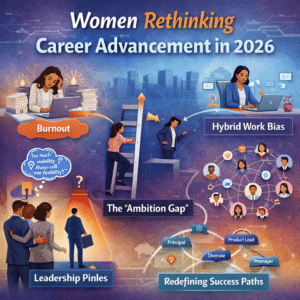
While progress is evident, systemic barriers persist. Unequal pay, limited access to opportunities, and unconscious biases continue to hinder women’s leadership journeys. However, global movements like #HeForShe and corporate policies advocating for equal representation are slowly dismantling these obstacles.
Paving the Way Forward
Transforming leadership is not just a responsibility for women—it’s a collective goal. Supporting women leaders involves fostering inclusive policies, addressing cultural stereotypes, and creating mentorship networks. When leadership becomes a shared vision, it sets the stage for a world where potential is recognized over privilege.