









February 04, 2025: Donald Trump has escalated trade tensions by imposing new tariffs on Canada, Mexico, and China while warning that the European Union will be next. The latest measures include a 25% tariff on Canadian and Mexican imports and a 10% tariff on goods from China, reigniting fears of a prolonged trade war.
Trump justified the move by citing unfair trade practices and America’s trade deficit, insisting that these tariffs protect U.S. industries and jobs. He also confirmed that tariffs on EU imports are imminent, criticizing European trade policies and claiming they hurt American businesses.
Markets reacted sharply, with global stocks experiencing volatility as investors weighed the potential economic fallout. Economists warn that higher costs of imported goods could fuel inflation, particularly in sectors reliant on foreign raw materials and manufacturing. The auto, energy, and consumer goods industries are expected to see price increases as companies adjust to higher supply chain costs.
Canada and Mexico have condemned the tariffs, with both countries considering retaliatory measures that could target American agriculture and manufacturing exports. China has already announced counter-tariffs, hitting U.S. products with new levies and potential restrictions on American firms operating in Chinese markets.
The European Union is preparing its response, with officials warning that new tariffs could severely damage U.S.-EU trade relations. Talks between U.S. and EU officials have stalled, and trade experts predict a diplomatic standoff unless a compromise is reached.
U.S. businesses and industry groups have urged the administration to reconsider, arguing that higher tariffs will burden American consumers and disrupt global supply chains. While some domestic manufacturers stand to benefit, others worry that retaliatory tariffs from trade partners will outweigh any short-term gains.
With the trade war expanding, these tariffs’ economic and political impact will be closely monitored. Whether these aggressive policies will yield better trade deals or trigger prolonged economic instability remains uncertain.
Also Read: United Kingdom Landmark 100-Year Security Pact with Ukraine

Spain slams US and Israeli strikes on Iran, with Prime Minister Pedro Sánchez warning of escalation risks and signalling a more independent Spanish foreign policy stance within the EU.
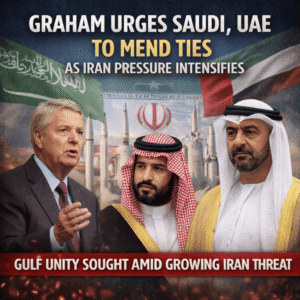
Graham urges Saudi UAE to mend ties as Iran pressure intensifies, warning that Gulf divisions weaken regional security and complicate U.S.-Iran diplomacy amid Yemen and Red Sea tensions.
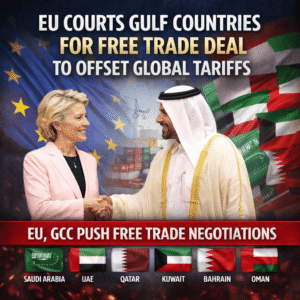
EU courts Gulf countries for free trade deal to protect European exports from global tariff pressures and deepen strategic partnerships with GCC states.

The European preference in military mobility plan gains support in the EU Parliament, aiming to prioritise EU infrastructure, suppliers, and control to strengthen defence readiness and strategic autonomy.


Subscribe
Fill the form our team will contact you
Advertise with us
Fill the form our team will contact you
Leave us a message