










Trump defeated US inflation was the line Donald Trump carried to Davos, telling business leaders that price pressures in the United States have been beaten and that the economy is now on a clear upward path. The data tells a more precise story. Inflation has cooled. It has not vanished. And for households and markets, that distinction matters.
The latest US Consumer Price Index shows headline inflation at 2.7%, with core inflation at 2.6%. Monthly price growth continues at a steady pace. These figures mark real progress from the post-pandemic surge, but they sit above the Federal Reserve’s long-term goal of 2%. By the Fed’s own benchmark, inflation is still unfinished business.
That gap explains why the phrase Trump defeated US inflation collides with lived reality. Disinflation lowers the speed of price increases. It does not reverse the price levels already embedded in daily life. Grocery bills, rents, insurance, and services remain structurally higher than before 2020. Consumers feel the plateau, not the trend.
Food costs remain the most politically visible fault line. Grocery prices have eased from their peak but continue to climb in small increments. For households, “inflation defeated” rings hollow when staples remain elevated and real wage gains are uneven. Cooling is not relief.
There is also a policy risk embedded in the Davos claim. Trade pressure is returning to the agenda. Economists warn that tariffs often take time to work. Companies absorb costs until inventories turn, contracts reset, and supply chains reprice. The second-round effect appears months later, not in the first headline. In that environment, the hypothesis that Trump defeated US inflation must survive a new pricing cycle.
For markets, “defeated” would mean three conditions:
None of those conditions is fully met.
This is why rate-cut expectations remain cautious. Many forecasters still model inflation hovering in a 2.5–3.0% band through much of 2026. That is stability, not victory.
What leaders should do now:
Trump defeated US inflation captures direction, not destination. The US has slowed the fire. It has not extinguished it. Cooling is real. Defeat is still unproven.

Spain slams US and Israeli strikes on Iran, with Prime Minister Pedro Sánchez warning of escalation risks and signalling a more independent Spanish foreign policy stance within the EU.
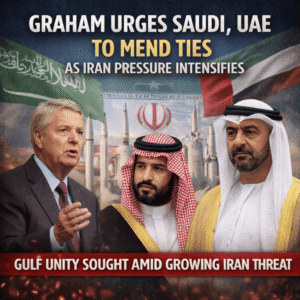
Graham urges Saudi UAE to mend ties as Iran pressure intensifies, warning that Gulf divisions weaken regional security and complicate U.S.-Iran diplomacy amid Yemen and Red Sea tensions.
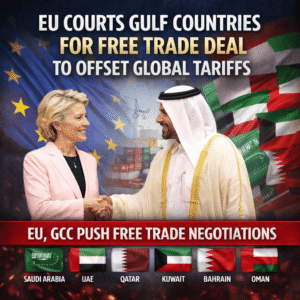
EU courts Gulf countries for free trade deal to protect European exports from global tariff pressures and deepen strategic partnerships with GCC states.

The European preference in military mobility plan gains support in the EU Parliament, aiming to prioritise EU infrastructure, suppliers, and control to strengthen defence readiness and strategic autonomy.



Subscribe
Fill the form our team will contact you
Advertise with us
Fill the form our team will contact you
Leave us a message