











The Bank of Canada, the nation’s central Bank, has released its latest economic projections, anticipating a decrease in inflation and a slowdown in economic growth throughout 2024. This revised outlook highlights the complex challenges facing the Canadian economy amidst a shifting global landscape.
The Bank of Canada expects the inflation rate to decline from 3.4% in 2023 to 2.5% by 2024. Additionally, both economic and wage growth are projected to decelerate during the year’s first half. These projections reflect the impact of the Bank’s previous interest rate hikes to combat inflation.
These policy actions, however, have ripple effects throughout the economy. Rising interest rates slow economic growth by making it more expensive for businesses and consumers to borrow money. This reduced spending and investment activity can dampen economic expansion.
While the Bank of Canada acknowledges the potential for a slower growth trajectory in the near term, it emphasizes its commitment to achieving its 2% inflation target in the long run. Policymakers have indicated that future interest rate decisions will be data-dependent, contingent upon how the economy responds to the current monetary policy stance.
Analysts observe that the Bank of Canada attempts to navigate a delicate balancing act. Too aggressive interest rate hikes could push the economy into a deeper slowdown or recession. However, insufficient action risks persistent inflation becoming entrenched in the economy, leading to more severe economic consequences in the future.
Investors and business leaders closely watch the Bank of Canada’s pronouncements and actions. Their decisions will significantly impact the economic landscape in 2024 and beyond. Continued monitoring and analysis will be crucial to understand the trajectory of the Canadian economy and its response to the evolving monetary policy environment.

At least 30 people have died as freezing temperatures sweep across the US, with snow, ice, power outages and travel disruptions affecting millions nationwide.
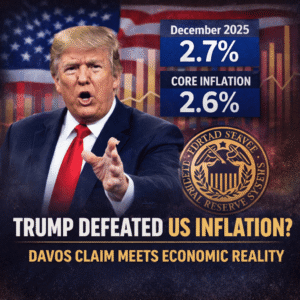
Trump defeated US inflation is the Davos claim, but US CPI still sits near 2.7%. Trump defeated US inflation faces reality as food prices, tariffs, and sticky core inflation keep pressure alive.

European Parliament freezes Mercosur deal and refers it to the EU Court of Justice, delaying ratification as lawmakers question legal basis, sustainability safeguards, and EU regulatory autonomy.

EU anti-coercion instrument is the EU’s legal tool to deter economic coercion. Learn how it’s triggered, the timeline, who decides, and what countermeasures the EU can deploy if talks fail


Subscribe
Fill the form our team will contact you
Advertise with us
Fill the form our team will contact you
Leave us a message