










March 04, 2025: SpaceX has halted its eighth test launch attempt of Starship, the world’s most powerful rocket, citing technical concerns. The mission, part of the company’s broader effort to develop a fully reusable launch system for deep-space missions, was postponed after engineers detected an issue during the pre-launch sequence.
The Starship, which was designed to transport cargo and crew to the Moon and Mars, has faced multiple delays and test failures as SpaceX refines its systems. The latest scrub comes amid heightened anticipation for the next significant test flight, which aims to demonstrate improved flight stability, reentry survivability, and engine performance.
Engineers closely monitored key launch parameters when an anomaly triggered an automatic hold. While SpaceX has not disclosed specific details, past delays have stemmed from fuel leaks, pressure irregularities, and software malfunctions. The company must conduct additional system checks before announcing a new launch window.
The test was scheduled to take place at SpaceX’s Starbase facility in Boca Chica, Texas. This site has been the focal point of Starship’s development, with each test iteration pushing the boundaries of the rocket’s capabilities. Previous tests have resulted in spectacular successes and high-profile explosions, underscoring the complexity of developing a fully reusable super-heavy launch vehicle.
Regulatory approvals from the Federal Aviation Administration (FAA) remain crucial in scheduling future attempts. SpaceX has been working closely with regulators to address environmental and safety concerns while accelerating its testing program.
With NASA relying on Starship for its Artemis program and private spaceflight ambitions growing, the success of these test flights is critical. The upcoming launch attempt will focus on validating design improvements, including heat shield durability and booster recovery processes.
Despite the setback, SpaceX remains committed to its aggressive testing schedule. Depending on the resolution of technical issues and regulatory approvals, a new launch attempt could be announced soon.

Spain slams US and Israeli strikes on Iran, with Prime Minister Pedro Sánchez warning of escalation risks and signalling a more independent Spanish foreign policy stance within the EU.
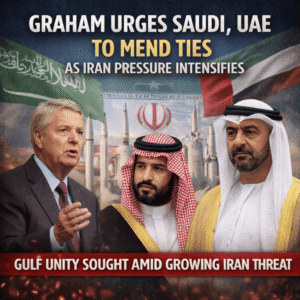
Graham urges Saudi UAE to mend ties as Iran pressure intensifies, warning that Gulf divisions weaken regional security and complicate U.S.-Iran diplomacy amid Yemen and Red Sea tensions.

EU courts Gulf countries for free trade deal to protect European exports from global tariff pressures and deepen strategic partnerships with GCC states.

The European preference in military mobility plan gains support in the EU Parliament, aiming to prioritise EU infrastructure, suppliers, and control to strengthen defence readiness and strategic autonomy.



Subscribe
Fill the form our team will contact you
Advertise with us
Fill the form our team will contact you
Leave us a message