










March 06, 2025: The UK Chancellor has unveiled the 2025 Budget, introducing tax cuts and energy bill relief to support households and businesses amid economic pressures. The measures focus on easing financial burdens while maintaining fiscal stability.
The income tax threshold will increase, reducing the tax burden for millions of workers. The corporation tax rate remains unchanged, but small businesses will benefit from investment incentives and extended relief programs. National Insurance contributions will be lowered, increasing take-home pay and boosting consumer spending.
To address rising energy costs, the government will extend the Energy Price Guarantee, capping household energy bills for an additional period. Further subsidies will be available for low-income households and vulnerable consumers, ensuring continued support through high energy price fluctuations. Businesses in energy-intensive industries will receive targeted relief to manage operational costs.
Public services will receive additional funding, with allocations for the NHS, education, and infrastructure projects. The government has committed to expanding housing development initiatives, promising tax incentives for homebuyers and builders to accelerate construction.
The Chancellor emphasized economic growth and fiscal responsibility, highlighting investment in renewable energy projects, transport networks, and digital infrastructure as key drivers of long-term stability. Reforms in the financial sector aim to enhance the UK’s global competitiveness, attracting further investment.
Critics argue that tax cuts may strain public finances and question whether the measures sufficiently address inflationary pressures and cost-of-living concerns. Opposition parties call for more lavish social spending, particularly in welfare and public sector wages.
Markets have reacted with cautious optimism, with analysts assessing the budget’s long-term sustainability. The success of these policies will depend on economic conditions, inflation trends, and the ability to balance tax reductions with spending commitments.

Spain slams US and Israeli strikes on Iran, with Prime Minister Pedro Sánchez warning of escalation risks and signalling a more independent Spanish foreign policy stance within the EU.
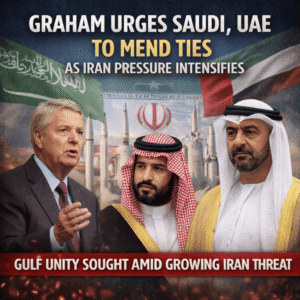
Graham urges Saudi UAE to mend ties as Iran pressure intensifies, warning that Gulf divisions weaken regional security and complicate U.S.-Iran diplomacy amid Yemen and Red Sea tensions.
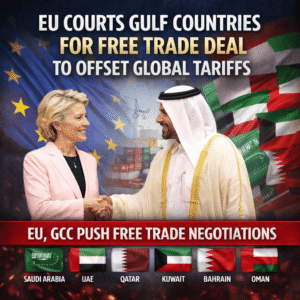
EU courts Gulf countries for free trade deal to protect European exports from global tariff pressures and deepen strategic partnerships with GCC states.

The European preference in military mobility plan gains support in the EU Parliament, aiming to prioritise EU infrastructure, suppliers, and control to strengthen defence readiness and strategic autonomy.



Subscribe
Fill the form our team will contact you
Advertise with us
Fill the form our team will contact you
Leave us a message