






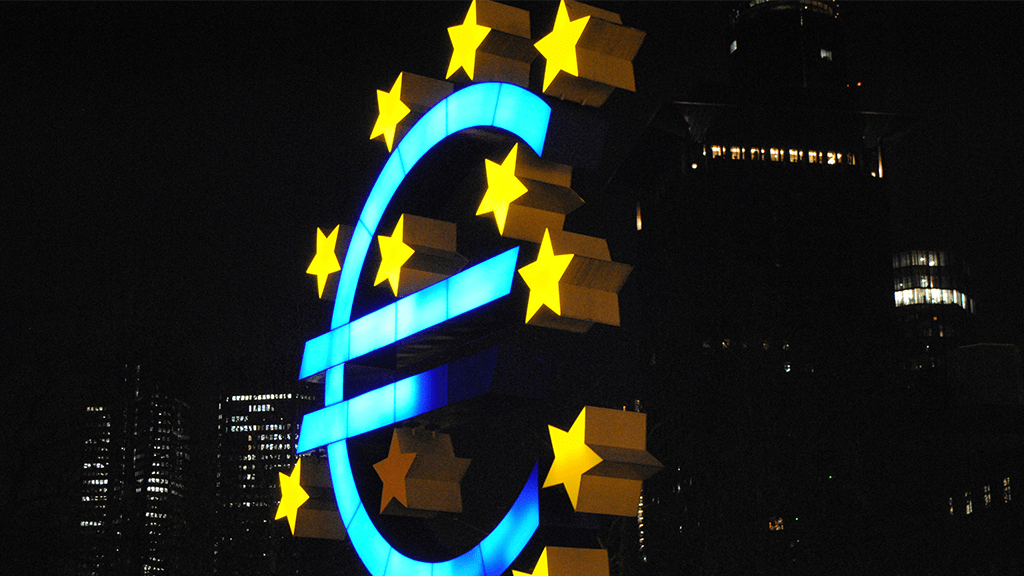



Eurozone inflation inches up to 2.1% in August, a marginal but closely watched uptick that keeps the headline rate slightly above the European Central Bank’s 2% target. According to Eurostat’s flash estimate, the increase is modest but persistent, reflecting underlying stickiness in food and services categories.
Food, alcohol, and tobacco led the price pressure, rising 3.2% year-over-year. Services followed at 3.1%, while non-energy industrial goods held steady at 0.8%. Energy prices remained in deflationary territory, but the decline moderated to –1.9%, compared to sharper drops earlier this year.
The more relevant indicator for policymakers—core inflation (excluding food and energy)—was unchanged at 2.3% for the fourth consecutive month. That stability gives the European Central Bank breathing space, especially as wage inflation and demand-side price pressures show signs of moderation.
Eurozone inflation inches up to 2.1% in August, may not trigger a policy shift, but it reinforces the ECB’s recent messaging: rates are likely to stay on hold at 2% for now. With the next policy meeting approaching, markets are pricing in a pause—not a pivot.
Country-level figures reveal wide divergence:
This dispersion underscores the uneven nature of inflation recovery in the bloc.
Eurozone inflation inches up to 2.1% in August, which is a data point—not a turning point. But in a fragile macro environment, even subtle shifts warrant tactical attention.

Spain slams US and Israeli strikes on Iran, with Prime Minister Pedro Sánchez warning of escalation risks and signalling a more independent Spanish foreign policy stance within the EU.
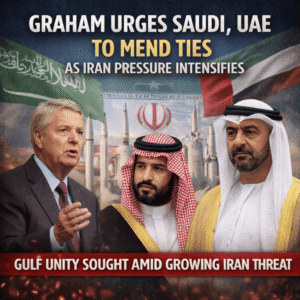
Graham urges Saudi UAE to mend ties as Iran pressure intensifies, warning that Gulf divisions weaken regional security and complicate U.S.-Iran diplomacy amid Yemen and Red Sea tensions.
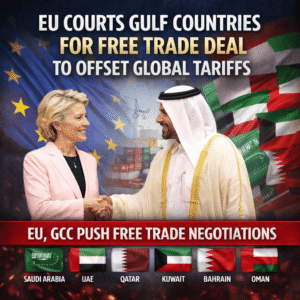
EU courts Gulf countries for free trade deal to protect European exports from global tariff pressures and deepen strategic partnerships with GCC states.
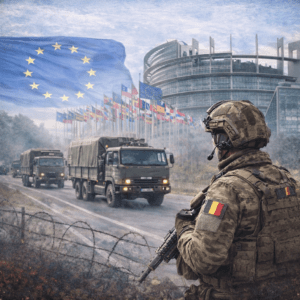
The European preference in military mobility plan gains support in the EU Parliament, aiming to prioritise EU infrastructure, suppliers, and control to strengthen defence readiness and strategic autonomy.



Subscribe
Fill the form our team will contact you
Advertise with us
Fill the form our team will contact you
Leave us a message