






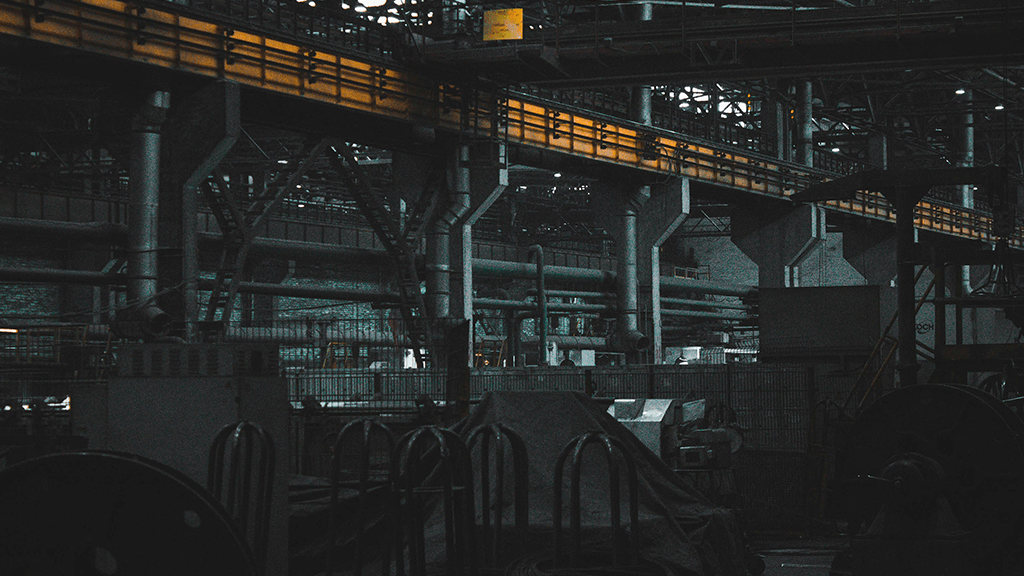



The downturn in the UK manufacturing sector has persisted for 11 consecutive months. According to S&P Global’s latest survey, the UK manufacturing continues to contract, with the August Purchasing Managers’ Index (PMI) falling to 47.0 from July’s 48.0. The PMI has remained below the neutral 50 mark since October 2023, underscoring prolonged weakness in the sector.
The contraction is driven by a sharper fall in new orders, which dropped at their steepest pace in four months. Export orders also declined significantly, attributed to sluggish global demand and persistent tariff-related pressures, especially from the U.S. and EU markets. The combination of weak client confidence and elevated input costs is limiting manufacturers’ ability to maintain consistent output.
UK manufacturing continues to contract as input inventories rise and finished goods stockpile due to soft demand. The ratio of new orders to inventory levels has deteriorated, suggesting further risks of overcapacity in the near term. Employment within the sector also declined, marking the tenth straight month of job losses, as firms scale back operations amid rising costs and falling revenues.
Despite easing inflationary pressures, input costs remain high following April’s tax increases. Although factory gate prices rose at the slowest rate in six months, manufacturers remain cautious, focusing on cost control and margin protection.
S&P revised its initial August PMI estimate of 47.3 down to 47.0, reinforcing the view that UK manufacturing continues to contract more sharply than anticipated. Meanwhile, services are showing resilience. The composite PMI, buoyed by growth in services, came in above expectations, offering some macroeconomic balance.
As the UK manufacturing continues to contract, strategic adjustments are essential. Firms should focus on export diversification, supply chain agility, and adopting automation technologies. Without fiscal intervention or a turnaround in global demand, this industrial downturn risks becoming entrenched well into 2026.

Spain slams US and Israeli strikes on Iran, with Prime Minister Pedro Sánchez warning of escalation risks and signalling a more independent Spanish foreign policy stance within the EU.
Graham urges Saudi UAE to mend ties as Iran pressure intensifies, warning that Gulf divisions weaken regional security and complicate U.S.-Iran diplomacy amid Yemen and Red Sea tensions.
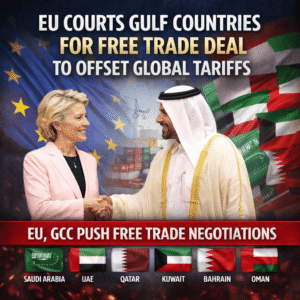
EU courts Gulf countries for free trade deal to protect European exports from global tariff pressures and deepen strategic partnerships with GCC states.

The European preference in military mobility plan gains support in the EU Parliament, aiming to prioritise EU infrastructure, suppliers, and control to strengthen defence readiness and strategic autonomy.


Subscribe
Fill the form our team will contact you
Advertise with us
Fill the form our team will contact you
Leave us a message