










Five Eyes Ministers unite against people smugglers as top security and immigration officials from the UK, US, Canada, Australia, and New Zealand convene in London to launch a multinational initiative aimed at dismantling transnational smuggling operations.
The summit, hosted by UK Home Secretary Shabana Mahmood, concluded with commitments to stricter border enforcement, data-sharing enhancements, and expanded operational collaboration. “We will act together to break the business model of people smuggling,” Mahmood stated following the session held at the Honourable Artillery Company.
Key attendees included:
Five Eyes Ministers unite against people smugglers against a backdrop of surging irregular migration into the UK, where over 30,000 migrants have crossed the English Channel in 2025 alone. Mahmood called the scale of crossings “intolerable” and confirmed that bilateral returns to France would resume imminently under a new agreement.
The agenda also included action on synthetic opioid trafficking and online child abuse networks, reinforcing the alliance’s focus on both physical and digital border integrity.
Parallel domestic measures are being rolled out. UK Defence Secretary John Healey announced a transition from hotel-based asylum accommodations to military-run facilities. Armed forces personnel will also be embedded in frontline border operations—a move aimed at enhancing command and control over processing and logistics.
Five Eyes Ministers unite against people smugglers not as a symbolic gesture but as the foundation of a security-first migration doctrine—anchored in multinational coordination, rapid response, and political consensus. Execution, not declaration, will define its credibility.

Spain slams US and Israeli strikes on Iran, with Prime Minister Pedro Sánchez warning of escalation risks and signalling a more independent Spanish foreign policy stance within the EU.
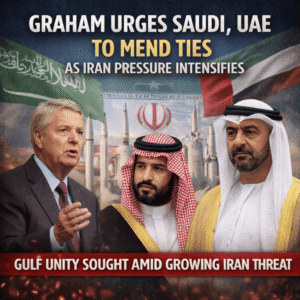
Graham urges Saudi UAE to mend ties as Iran pressure intensifies, warning that Gulf divisions weaken regional security and complicate U.S.-Iran diplomacy amid Yemen and Red Sea tensions.
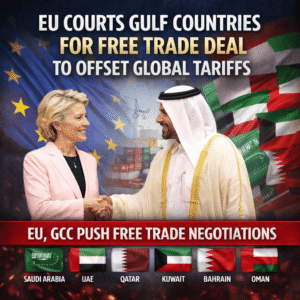
EU courts Gulf countries for free trade deal to protect European exports from global tariff pressures and deepen strategic partnerships with GCC states.
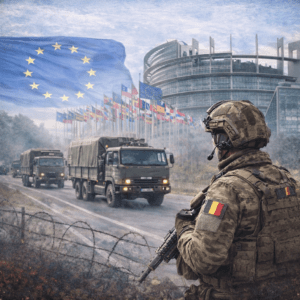
The European preference in military mobility plan gains support in the EU Parliament, aiming to prioritise EU infrastructure, suppliers, and control to strengthen defence readiness and strategic autonomy.


Subscribe
Fill the form our team will contact you
Advertise with us
Fill the form our team will contact you
Leave us a message