









The global pre-workout supplements market is expected to reach $28.68 billion by 2031, according to a new report by MarketResearch.biz. The market is projected to grow at a CAGR of 9.10% during the forecast period, driven by a number of factors, including:
The pre-workout supplements market is segmented by product type, form, distribution channel, and region. The product type segment includes:
The form segment includes powder form, capsule form, and liquid form. The distribution channel segment includes online, offline, and direct sales. The region segment includes North America, Europe, Asia Pacific, Latin America, and Middle East & Africa.
North America is expected to be the largest market for pre-workout supplements in the forecast period. This is due to the high awareness of the benefits of pre-workout supplements and the presence of many fitness enthusiasts in the region. In the forecast period, Europe is expected to be the second-largest market for pre-workout supplements. Asia Pacific is expected to be the fastest-growing market for pre-workout supplements in the forecast period. This is due to the increasing disposable income of consumers in the region and the growing popularity of fitness and wellness.
The key players in the pre-workout supplements market include Optimum Nutrition, MuscleTech, BSN, Cellucor, and Redcon1. These companies focus on developing innovative products and expanding their distribution channels to meet the growing demand for pre-workout supplements.
The pre-workout supplements market is expected to continue to grow in the coming years, driven by the increasing demand for enhanced athletic performance and the rising disposable income of consumers.

Spain slams US and Israeli strikes on Iran, with Prime Minister Pedro Sánchez warning of escalation risks and signalling a more independent Spanish foreign policy stance within the EU.
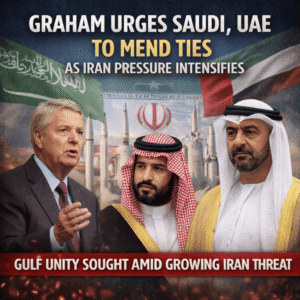
Graham urges Saudi UAE to mend ties as Iran pressure intensifies, warning that Gulf divisions weaken regional security and complicate U.S.-Iran diplomacy amid Yemen and Red Sea tensions.
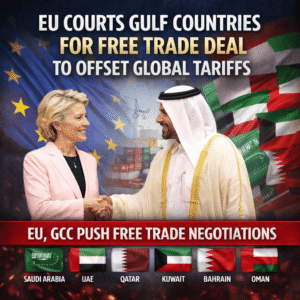
EU courts Gulf countries for free trade deal to protect European exports from global tariff pressures and deepen strategic partnerships with GCC states.

The European preference in military mobility plan gains support in the EU Parliament, aiming to prioritise EU infrastructure, suppliers, and control to strengthen defence readiness and strategic autonomy.

Subscribe
Fill the form our team will contact you
Advertise with us
Fill the form our team will contact you
Leave us a message