









UK manufacturers reported one of the worst months for 14 years in June, according to a survey by the Confederation of British Industry (CBI). The CBI’s monthly industrial trends survey found that output fell for the fifth consecutive month, with a net balance of -49% of respondents reporting a decline.
This is the lowest reading for output since June 2008, during the financial crisis. The survey also found that order books fell for the first time since January, with a net balance of -25% of respondents reporting a decline.
The CBI said the survey results were “very worrying” and showed that the manufacturing sector was “in deep trouble.” The CBI’s chief economist, Tony Danker, said the survey results “paint a picture of a manufacturing sector struggling to cope with the headwinds of rising costs, supply chain disruptions and weakening demand.”
The survey found that manufacturers’ main challenges were rising energy prices, supply chain disruptions, and weakening demand from overseas. The CBI said these challenges were “exacerbated by the UK’s weak economic outlook.”
The CBI said that the government needed to take action to support the manufacturing sector. The CBI called for the government to reduce energy costs, help businesses navigate supply chain disruptions, and boost demand for UK goods.
The CBI’s survey results come at a time when the UK economy is facing a number of challenges, including rising inflation and slowing growth. The manufacturing sector is a key part of the UK economy, and its struggles are likely to have a knock-on effect on other sectors of the economy.
The CBI’s survey results are a stark reminder of the UK manufacturing sector’s challenges. The sector struggles with rising costs, supply chain disruptions, and weakening demand. The government needs to take action to support the sector, or it risks further damage to the UK economy.

Spain slams US and Israeli strikes on Iran, with Prime Minister Pedro Sánchez warning of escalation risks and signalling a more independent Spanish foreign policy stance within the EU.
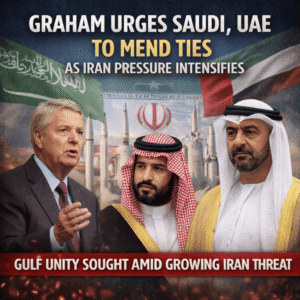
Graham urges Saudi UAE to mend ties as Iran pressure intensifies, warning that Gulf divisions weaken regional security and complicate U.S.-Iran diplomacy amid Yemen and Red Sea tensions.
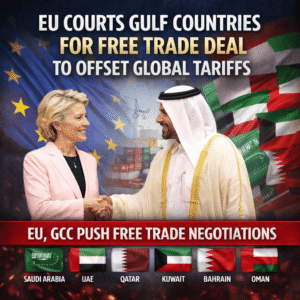
EU courts Gulf countries for free trade deal to protect European exports from global tariff pressures and deepen strategic partnerships with GCC states.

The European preference in military mobility plan gains support in the EU Parliament, aiming to prioritise EU infrastructure, suppliers, and control to strengthen defence readiness and strategic autonomy.

Subscribe
Fill the form our team will contact you
Advertise with us
Fill the form our team will contact you
Leave us a message