











An email has always been a core tool for business communication. It is one of the most common triggers of unsubstantial pressure. An average official receives around 80-100 emails each day. The emails sent are always overlooked. There are a couple of rules to get your email witnessed and acted upon:
Make the best use of the subject line. For example, if you have observed the newsletters, they have two main objectives – The first one is to grab your attention and the second one is to briefly summarize the article based on which the reader decides to read it or not. An email with a blank subject line is most likely to be called spam. Avoid sharing sensitive information in an email. People are most likely to forward the emails or print them out without deleting the previous conversation. Choose the best vocabulary to tell the recipient what the mail is all about.
The emails you send are a reflection of your values. When we talk to someone in person, we use gestures, vocal tone, and facial expressions, but when we’re drafting an email, this information is robbed. This is why we need to have a good choice of words so that the message we want to convey is not misinterpreted. Try to maintain a certain level of formality and conclude your emails with “regards.”
Always take a moment to proofread the emails you’ve drafted and self-review them. They are an important part of your professional image, just like the clothes you wear. Pay attention to the length of your email. Crosscheck punctuations and grammatical errors. People are most likely to prefer concise emails. Make sure you exclude unnecessary information.
Most of us spend a part of our day reading and composing emails. Make your emails brief and straight to the point. Send them to people who need to read and acknowledge them, and be evident about what you would like the recipient to do. Your emails are supposed to create a reflection of your professionalism, significance, and engagement. Be polite and visualize how others might analyze the tone of your message. Always proofread what you have written before you “send.”

The Westway Trust is a 23-acre estate in trust for the benefit of the community. Venu Dhupa is the leader who has brought a different vision to running this dual enterprise. . “Rather than thinking as a property company that deploys its resources for social goods, we are a social goods company that earns it’s income from property,” she explains.
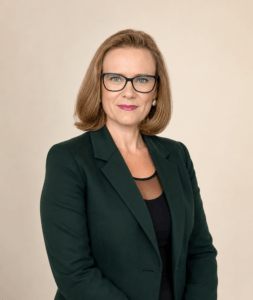
A Visionary Leading the Future of Medicine
In an era where healthcare is undergoing one of the most profound transformations in history, leadership demands far more than business acumen. It requires courage to challenge convention, compassion to prioritize patients above profits, and the foresight to anticipate the healthcare needs of tomorrow.
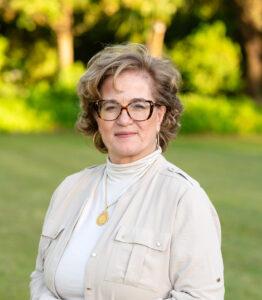
In a world increasingly defined by urgency, distraction, and constant connectivity, Simone Lopes chose to create something rare: a space for presence. Through the Refúgio of Quinta Nere Maitia, nestled in Portugal’s Ribatejo region, she has built more than a hospitality destination.

In an industry that connects billions of people across continents, cultures, and experiences, the infrastructure powering travel often remains invisible. Behind every hotel booking lies a complex web of systems, suppliers, and distribution networks working together in real time. For decades, that ecosystem has been fragmented, inefficient, and difficult to navigate.

Subscribe
Fill the form our team will contact you
Advertise with us
Fill the form our team will contact you
Leave us a message