










A high-ranking member of the Yakuza, a Japanese organized crime syndicate, pleaded guilty in a New York federal court on Wednesday to charges related to the trafficking of nuclear materials, narcotics, and heavy weaponry.
The defendant, Takeshi Ebisawa, admitted to conspiring to traffic nuclear materials, including uranium and weapons-grade plutonium, from Myanmar. He also acknowledged his involvement in a conspiracy to purchase and traffic surface-to-air missiles and other heavy weaponry intended for armed ethnic groups in Myanmar.
Furthermore, Ebisawa confessed to accepting significant quantities of heroin and methamphetamine as partial payment for the weapons. These illicit transactions underscore the transnational nature of organized crime and the grave threat posed by the illicit trafficking of nuclear materials.
The charges against Ebisawa carry a maximum sentence of life imprisonment. The sentencing hearing is scheduled for a later date.
This case highlights the critical importance of international cooperation in combating transnational organized crime. Law enforcement agencies around the world must continue to work together to dismantle criminal networks involved in the illicit trafficking of nuclear materials, narcotics, and weapons.
Takeshi Ebisawa’s conviction serves as a powerful deterrent to others who may be contemplating involvement in such illicit activities. It underscores the unwavering commitment of law enforcement agencies to bring justice to those who threaten global security.

Spain slams US and Israeli strikes on Iran, with Prime Minister Pedro Sánchez warning of escalation risks and signalling a more independent Spanish foreign policy stance within the EU.
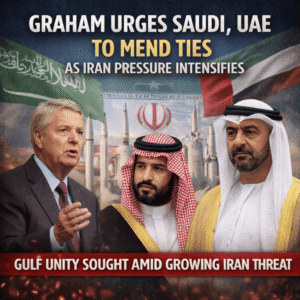
Graham urges Saudi UAE to mend ties as Iran pressure intensifies, warning that Gulf divisions weaken regional security and complicate U.S.-Iran diplomacy amid Yemen and Red Sea tensions.
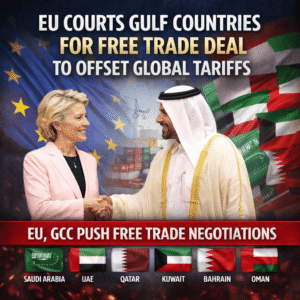
EU courts Gulf countries for free trade deal to protect European exports from global tariff pressures and deepen strategic partnerships with GCC states.

The European preference in military mobility plan gains support in the EU Parliament, aiming to prioritise EU infrastructure, suppliers, and control to strengthen defence readiness and strategic autonomy.

Subscribe
Fill the form our team will contact you
Advertise with us
Fill the form our team will contact you
Leave us a message