









July 24, 2023: Volvo Cars does not intend to use autonomous driving technology from Tesla and will instead focus on expanding its systems, according to the company’s owner.
In June, the Gothenburg-headquartered carmaker stated that it had inked an agreement with Elon Musk’s firm to give its electric vehicles access to 12,000 Tesla Superchargers in the U.S., Mexico, and Canada.
“We’ve already made that decision regarding what we want to control internally regarding our technology stack,” Rowan stated.
“And we’ve chosen that we want to be in full control of our ADAS [advanced driver assistance systems], all the way up to full AD [autonomous driving] software,” he added.
“So, we will continue to write that, we will continue to invest in that, and we’ll continue to develop that.”
In a sign of how the company’s strategy is taking shape, Volvo Cars announced late last year that it had taken full right of Zenseact, a business specializing in AD software.
Rowan was speaking after Volvo Cars reported second-quarter results. The company said earnings before interest and taxes were 5 billion Swedish krona compared to 10.8 billion Swedish krona in the second quarter of 2022.
“During the quarter, the company reported a continued strong sales performance in electric cars,” it said in a statement accompanying its earnings report. “Sales of fully electric Volvo car models increased by 178 percent every year during the quarter, accounting for 16 percent of its total share.”
Volvo Cars’ longer-term electrification strategy is centered around every car it sells being fully electric by 2030. This would mean a phase-out of vehicles using internal combustion engines, a category that includes hybrids.

Spain slams US and Israeli strikes on Iran, with Prime Minister Pedro Sánchez warning of escalation risks and signalling a more independent Spanish foreign policy stance within the EU.
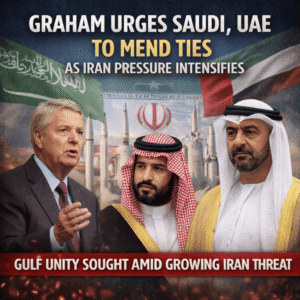
Graham urges Saudi UAE to mend ties as Iran pressure intensifies, warning that Gulf divisions weaken regional security and complicate U.S.-Iran diplomacy amid Yemen and Red Sea tensions.
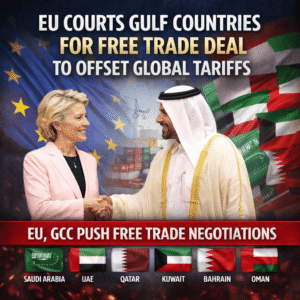
EU courts Gulf countries for free trade deal to protect European exports from global tariff pressures and deepen strategic partnerships with GCC states.

The European preference in military mobility plan gains support in the EU Parliament, aiming to prioritise EU infrastructure, suppliers, and control to strengthen defence readiness and strategic autonomy.


Subscribe
Fill the form our team will contact you
Advertise with us
Fill the form our team will contact you
Leave us a message