









24 July, 2023: On Monday, Singapore will impose “appropriate sanctions and restrictions” on Russia, its foreign minister said, which includes banking and financial measures and export controls on items that could be used as weapons against the people of Ukraine.
The short city-state, an Asian financial center, and critical international shipping hub complies with United Nations Security Council resolutions but rarely issues sanctions of its own against countries.
“Singapore intends to act in concert with many other like-minded countries to impose appropriate sanctions and restrictions against Russia,” Foreign Minister Vivian Balakrishnan told parliament, which describes Russia’s invasion as unacceptable and a gross violation of international norms.
He said that the sanctions were due to the “unprecedented gravity” of the situation and Russia’s veto in the previous week of a draft Security Council resolution.
“In particular, we can impose export controls on items that can be used directly as weapons in Ukraine to inflict harm or to subjugate the Ukrainians,” he said.
“We will block certain Russian banks and financial transactions connected to Russia,” he added.
Balakrishnan said that the specific measures were being worked out and would be announced shortly.
Singapore’s move is the special among its regional neighbors and comes independent of the Association of 10-member Southeast Asian Nations (ASEAN), of which it is a member.
On Saturday, the bloc called for a de-escalation of the conflict and dialogue and respect of international law and U.N. commitments

Spain slams US and Israeli strikes on Iran, with Prime Minister Pedro Sánchez warning of escalation risks and signalling a more independent Spanish foreign policy stance within the EU.
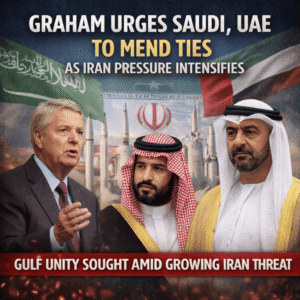
Graham urges Saudi UAE to mend ties as Iran pressure intensifies, warning that Gulf divisions weaken regional security and complicate U.S.-Iran diplomacy amid Yemen and Red Sea tensions.
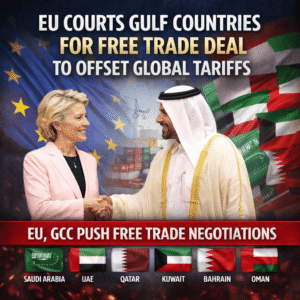
EU courts Gulf countries for free trade deal to protect European exports from global tariff pressures and deepen strategic partnerships with GCC states.
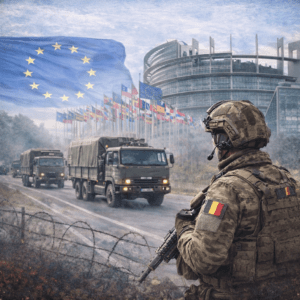
The European preference in military mobility plan gains support in the EU Parliament, aiming to prioritise EU infrastructure, suppliers, and control to strengthen defence readiness and strategic autonomy.



Subscribe
Fill the form our team will contact you
Advertise with us
Fill the form our team will contact you
Leave us a message