







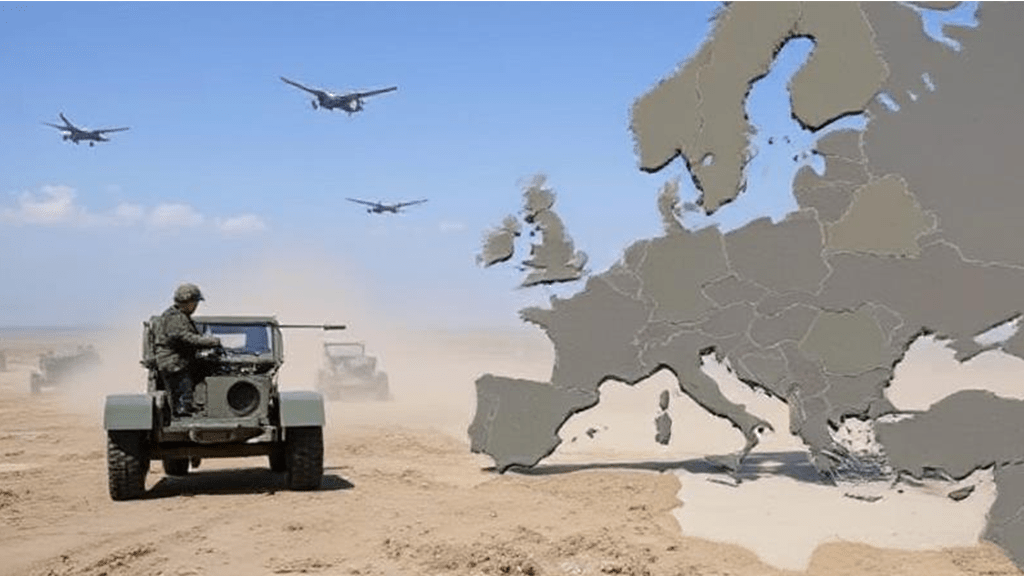



April 10, 2025: NATO has authorized the deployment of additional troops and equipment to its eastern flank, citing heightened alert levels due to ongoing Russian military exercises near allied borders. The move is part of a broader deterrence posture designed to reinforce allied positions in Poland, the Baltic states, and southeastern Europe.
The deployments include armored units, surveillance drones, rapid reaction forces, and integrated air defense systems operating under NATO’s existing Enhanced Forward Presence (eFP) and tailored Forward Presence (tFP) frameworks. NATO’s Supreme Allied Commander Europe (SACEUR) described the action as a “measured and defensive step” in response to Russian activity, including combined arms drills, missile launch simulations, and cross-border mobilization near Kaliningrad and Belarus.
Russian officials have dismissed NATO’s concerns, stating that the exercises are routine and not directed at any specific state. However, satellite imagery and intelligence from multiple member states indicate an increased Russian operational tempo, with deployments involving strategic bombers, electronic warfare units, and naval movements in the Baltic and Black Seas.
NATO’s forward posture has been continuously reviewed since Russia’s full-scale invasion of Ukraine. The latest deployments are meant to reinforce Article 5 credibility and provide rapid reaction capacity in the event of escalation. Alliance sources have emphasized interoperability, real-time threat monitoring, and the integration of cyber and space-based defense assets.
Germany, the United States, and the United Kingdom lead the latest deployments, facilitating logistical coordination through NATO’s Joint Support and Enabling Command. Exercises with host nations are underway to test mobility corridors, logistical resilience, and communications interoperability.
Diplomatic efforts continue in parallel, but alliance leaders have clarified that credible deterrence in the eastern theater remains non-negotiable, especially with Russia’s hybrid and conventional pressure increasing along NATO’s periphery. Additional force posture announcements may follow pending defense ministerial consultations next month.

Spain slams US and Israeli strikes on Iran, with Prime Minister Pedro Sánchez warning of escalation risks and signalling a more independent Spanish foreign policy stance within the EU.
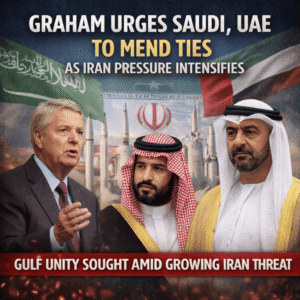
Graham urges Saudi UAE to mend ties as Iran pressure intensifies, warning that Gulf divisions weaken regional security and complicate U.S.-Iran diplomacy amid Yemen and Red Sea tensions.
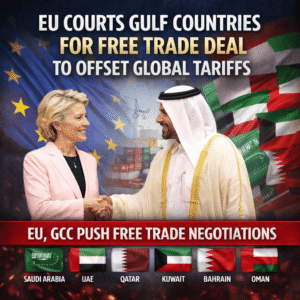
EU courts Gulf countries for free trade deal to protect European exports from global tariff pressures and deepen strategic partnerships with GCC states.
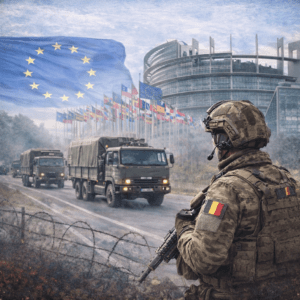
The European preference in military mobility plan gains support in the EU Parliament, aiming to prioritise EU infrastructure, suppliers, and control to strengthen defence readiness and strategic autonomy.


Subscribe
Fill the form our team will contact you
Advertise with us
Fill the form our team will contact you
Leave us a message