










Over 75,000 Kaiser Permanente workers in the United States went on strike on October 4, 2023, in the largest private sector strike in the U.S. in recent years. The workers are demanding better pay, benefits, and safer working conditions.
The strike has affected Kaiser Permanente hospitals and medical centers in California, Colorado, Oregon, Virginia, Washington, and Washington, D.C. The striking workers include nurses, technicians, pharmacists, and other healthcare professionals.
Kaiser Permanente is one of the largest healthcare providers in the United States, with over 23 million members. The company has said it is committed to negotiating with the workers, but the two sides have yet to agree.
The strike has raised concerns about the impact on patient care. Kaiser Permanente has said that it has a plan to ensure that patients continue receiving the care they need during the strike. However, some patients have reported delays in care and canceled appointments.
The strike is a sign of the growing frustration among healthcare workers in the United States. Many healthcare workers are feeling overworked and underpaid, and they are demanding better working conditions.
The strike is also a reminder of the importance of healthcare workers. These workers are essential to our healthcare system and deserve to be treated fairly and paid adequately.
The Kaiser Permanente strike is a significant development in the U.S. healthcare industry. The strike is a sign of the growing frustration among healthcare workers and the importance of these workers to our healthcare system. It is important to note that Kaiser Permanente has said it is committed to negotiating with the workers and ensuring that patients continue receiving the care they need during the strike.

Spain slams US and Israeli strikes on Iran, with Prime Minister Pedro Sánchez warning of escalation risks and signalling a more independent Spanish foreign policy stance within the EU.
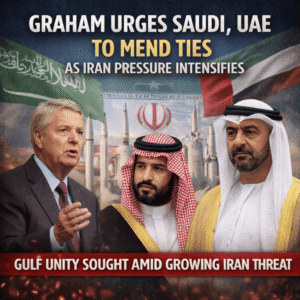
Graham urges Saudi UAE to mend ties as Iran pressure intensifies, warning that Gulf divisions weaken regional security and complicate U.S.-Iran diplomacy amid Yemen and Red Sea tensions.
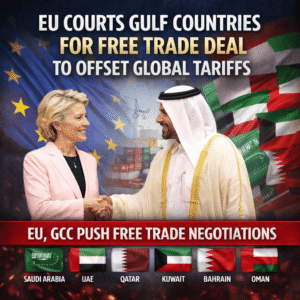
EU courts Gulf countries for free trade deal to protect European exports from global tariff pressures and deepen strategic partnerships with GCC states.

The European preference in military mobility plan gains support in the EU Parliament, aiming to prioritise EU infrastructure, suppliers, and control to strengthen defence readiness and strategic autonomy.



Subscribe
Fill the form our team will contact you
Advertise with us
Fill the form our team will contact you
Leave us a message