










JPMorgan Chase & Co., one of the world’s largest financial institutions, experienced a significant decline in its stock price on September 11, 2024. Shares of the bank dropped by 7% after the company tempered its guidance on interest income and expenses for the remainder of the year.
The downward pressure on JPMorgan Chase’s stock was primarily driven by concerns about its ability to maintain its strong earnings momentum. In recent quarters, the bank has benefited from rising interest rates, which have boosted its net interest income. However, the company’s management team now anticipates that the impact of higher rates on interest income may be moderated in the coming months.
Additionally, JPMorgan Chase has indicated that its expenses are likely to increase faster than previously expected. This is due to a number of factors, including higher wages, increased investments in technology, and rising regulatory costs.
The combined impact of lower-than-expected interest income and higher expenses has led to a downward revision in JPMorgan Chase’s earnings outlook. As a result, investors have become more cautious about the bank’s prospects for the remainder of the year.
While the decline in JPMorgan Chase’s stock price is a setback for the company, it is important to note that the bank remains a strong financial institution with a solid balance sheet and a diversified business model. The company’s management team is confident in its ability to navigate the current economic environment and deliver long-term value to shareholders.
The recent decline in JPMorgan Chase’s stock price is a reminder of the volatility of the financial markets. Investors should be prepared for fluctuations in stock prices and avoid making impulsive decisions based on short-term market movements.

Spain slams US and Israeli strikes on Iran, with Prime Minister Pedro Sánchez warning of escalation risks and signalling a more independent Spanish foreign policy stance within the EU.

Graham urges Saudi UAE to mend ties as Iran pressure intensifies, warning that Gulf divisions weaken regional security and complicate U.S.-Iran diplomacy amid Yemen and Red Sea tensions.
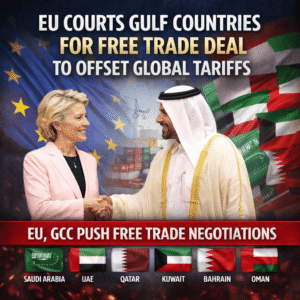
EU courts Gulf countries for free trade deal to protect European exports from global tariff pressures and deepen strategic partnerships with GCC states.

The European preference in military mobility plan gains support in the EU Parliament, aiming to prioritise EU infrastructure, suppliers, and control to strengthen defence readiness and strategic autonomy.



Subscribe
Fill the form our team will contact you
Advertise with us
Fill the form our team will contact you
Leave us a message