









Google has faced a significant legal setback. The European Union’s Court of Justice (ECJ) upheld a 2.4 billion euro fine imposed on the tech giant for anti-competitive practices. The ruling marks a victory for the EU’s efforts to regulate the behavior of large tech companies and ensure fair competition.
The European Commission, the EU’s executive arm, had accused Google of abusing its dominant position in the online search market by favoring its own comparison shopping service over competitors’. The Commission argued that Google’s actions hindered competition and harmed consumers.
In 2017, the Commission imposed a 2.4 billion euro fine on Google, the largest antitrust penalty ever issued in Europe. Google appealed the decision, arguing that the Commission had overstated its market power and failed to prove that its actions harmed competition.
However, the ECJ has rejected Google’s appeal, upholding the original fine. The court found that Google abused its dominant position and engaged in anti-competitive practices. The decision sends a strong message to tech companies that they cannot use their market power to unfairly advantage their products and services.
The EU’s crackdown on tech giants has been a major focus recently as regulators seek to address concerns about market concentration and the potential for anti-competitive behavior. The decision against Google is a significant milestone in these efforts.
Google has not yet announced its next steps following the ECJ’s ruling. The company may appeal the decision or comply with the EU’s order to pay the fine. The outcome of this case will have implications for other tech companies operating in the EU and could further shape the debate over competition and regulation in the digital economy.

Spain slams US and Israeli strikes on Iran, with Prime Minister Pedro Sánchez warning of escalation risks and signalling a more independent Spanish foreign policy stance within the EU.
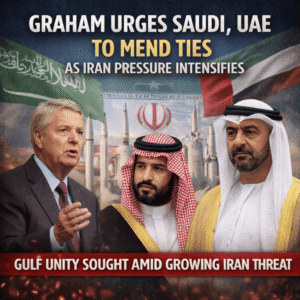
Graham urges Saudi UAE to mend ties as Iran pressure intensifies, warning that Gulf divisions weaken regional security and complicate U.S.-Iran diplomacy amid Yemen and Red Sea tensions.
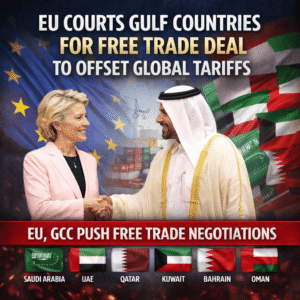
EU courts Gulf countries for free trade deal to protect European exports from global tariff pressures and deepen strategic partnerships with GCC states.

The European preference in military mobility plan gains support in the EU Parliament, aiming to prioritise EU infrastructure, suppliers, and control to strengthen defence readiness and strategic autonomy.



Subscribe
Fill the form our team will contact you
Advertise with us
Fill the form our team will contact you
Leave us a message