










The recent slump in Japanese government bond (JGB) yields has pressured the Bank of Japan (BOJ) to tweak its policy settings. The BOJ has maintained its ultra-loose monetary policy for years, which has helped keep JGB yields low and supported the Japanese economy.
However, the recent rise in global interest rates has put upward pressure on JGB yields. This has led to concerns that the BOJ may need to start tapering its asset purchases or raising interest rates to prevent a sharp rise in JGB yields.
A sharp rise in JGB yields would have a number of negative consequences for the Japanese economy. It would make it more expensive for the government to borrow money, increasing its debt burden. It would also make it more expensive for businesses and consumers to borrow money, dampening economic growth.
The BOJ is under increasing pressure from investors to change its policy settings. Some investors believe the BOJ should start tapering its asset purchases to prevent a sharp rise in JGB yields. Others believe that the BOJ should raise interest rates to combat inflation.
The BOJ will likely remain committed to its ultra-loose monetary policy for now. However, the recent slump in JGB yields suggests that the BOJ may need to start considering some changes to its policy settings in the near future.
The recent slump in JGB yields has put more pressure on the BOJ to tweak its policy settings. The BOJ is under increasing pressure from investors to start tapering its asset purchases or raising interest rates. However, the BOJ will likely remain committed to its ultra-loose monetary policy for now.

Spain slams US and Israeli strikes on Iran, with Prime Minister Pedro Sánchez warning of escalation risks and signalling a more independent Spanish foreign policy stance within the EU.
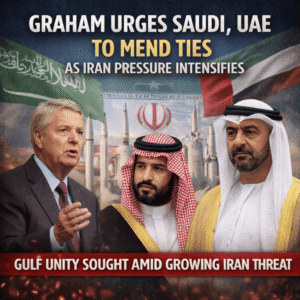
Graham urges Saudi UAE to mend ties as Iran pressure intensifies, warning that Gulf divisions weaken regional security and complicate U.S.-Iran diplomacy amid Yemen and Red Sea tensions.
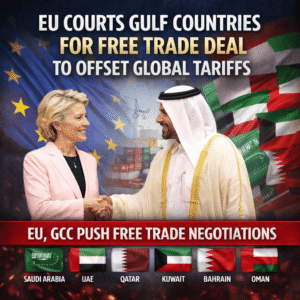
EU courts Gulf countries for free trade deal to protect European exports from global tariff pressures and deepen strategic partnerships with GCC states.

The European preference in military mobility plan gains support in the EU Parliament, aiming to prioritise EU infrastructure, suppliers, and control to strengthen defence readiness and strategic autonomy.



Subscribe
Fill the form our team will contact you
Advertise with us
Fill the form our team will contact you
Leave us a message