










February 24, 2023: Indonesia is taking measures to make its economy stronger to withstand global shocks such as inflation, especially from the United States, Finance Minister Sri Mulyani Indrawati stated.
As the world’s most significant economic, what the U.S. does has substantial implications worldwide, including in Indonesia, said the minister.
To face inflation, the U.S. has hiked interest prices, which has affected capital outflows due to the strengthening of the dollar, Sri Mulyani said on Thursday.
In light of that, the finance minister stated Indonesia is putting more effort into “increasing our resiliency.”
That includes “ensuring first that the financial sector is healthy and strong for this interest price movement. Second, that the actual sector economy is experiencing to be also resilient for them to absorb this shock,” said Sri Mulyani, attending the Group of 20 interacting of finance ministers and central bank chiefs in India.
In February, the U.S. Federal Reserve increased its benchmark interest prices by a quarter percentage point and provided little indication it is nearing the end of this hiking cycle.
Unlike the U.S., where inflation remains stubbornly high, Indonesia’s inflation slowed in January.
According to government data, the headline consumer price index, a key indicator of inflation, decreased to 5.28% every year in January from 5.51% in December.
Stripping away volatile food and energy costs, core inflation started at 3.27% in January year on year, descending slightly from 3.36% in December, data showed.

Spain slams US and Israeli strikes on Iran, with Prime Minister Pedro Sánchez warning of escalation risks and signalling a more independent Spanish foreign policy stance within the EU.
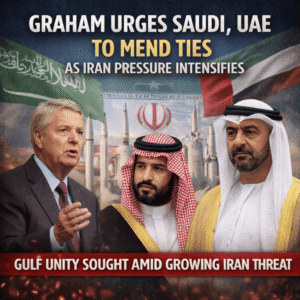
Graham urges Saudi UAE to mend ties as Iran pressure intensifies, warning that Gulf divisions weaken regional security and complicate U.S.-Iran diplomacy amid Yemen and Red Sea tensions.
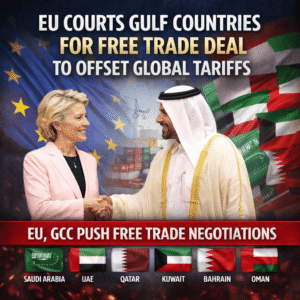
EU courts Gulf countries for free trade deal to protect European exports from global tariff pressures and deepen strategic partnerships with GCC states.

The European preference in military mobility plan gains support in the EU Parliament, aiming to prioritise EU infrastructure, suppliers, and control to strengthen defence readiness and strategic autonomy.



Subscribe
Fill the form our team will contact you
Advertise with us
Fill the form our team will contact you
Leave us a message