










Ukrainian authorities reported extensive damage after Russia’s overnight strikes on Kyiv amid renewed US peace efforts, marking one of the most forceful escalations in recent weeks. The attacks struck residential zones, critical energy infrastructure, and civilian service vehicles, reinforcing how battlefield pressure continues even as diplomatic discussions gain momentum.
Emergency services in Kyiv confirmed missile and drone impacts in multiple districts, including Pechersk and Dniprovskyi. Energy officials noted disruptions to power facilities, highlighting vulnerabilities in Ukraine’s electricity grid ahead of winter. In the Sumy region, a Russian drone hit a service truck, illustrating how the Russian overnight strikes on Kyiv amid renewed US peace efforts extended beyond the capital.
The timing is strategic. These Russian overnight strikes on Kyiv amid renewed US peace efforts followed high-level diplomatic meetings in Geneva, where Ukrainian and US delegations reviewed a new peace outline. Ukrainian negotiators described their discussions as “constructive,” while US envoys signaled meaningful progress on security guarantees, territorial arrangements, and reconstruction commitments.
Moscow, however, publicly dismissed claims that a revised proposal had been delivered to the Kremlin. Russian officials said they had not received a new draft, signaling divergence from Western messaging and complicating negotiations. This disconnect raises the possibility that Russia’s intensified attacks are aimed at shaping the negotiation environment.
For business leaders, analysts, and policymakers, the Russia overnight strikes on Kyiv amid renewed US peace efforts carry several implications:
(Flagged Speculation) Some analysts believe Russia may escalate selective strikes to reinforce leverage before entering any structured negotiations.
As diplomatic talks intensify, Russia’s overnight strikes on Kyiv amid renewed US peace efforts underscore how fragile the road to a potential settlement remains.

Spain slams US and Israeli strikes on Iran, with Prime Minister Pedro Sánchez warning of escalation risks and signalling a more independent Spanish foreign policy stance within the EU.
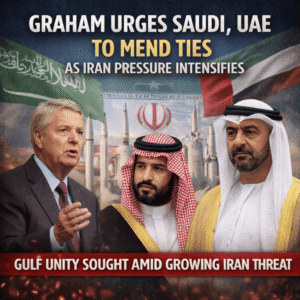
Graham urges Saudi UAE to mend ties as Iran pressure intensifies, warning that Gulf divisions weaken regional security and complicate U.S.-Iran diplomacy amid Yemen and Red Sea tensions.
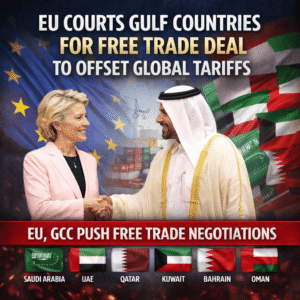
EU courts Gulf countries for free trade deal to protect European exports from global tariff pressures and deepen strategic partnerships with GCC states.
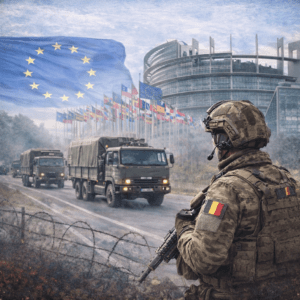
The European preference in military mobility plan gains support in the EU Parliament, aiming to prioritise EU infrastructure, suppliers, and control to strengthen defence readiness and strategic autonomy.



Subscribe
Fill the form our team will contact you
Advertise with us
Fill the form our team will contact you
Leave us a message