










A growing surge in gender-based violence in France has triggered large protests across Paris, with demonstrators demanding urgent government intervention after a string of recent femicides shocked the country. The latest data and testimonies from rights groups show that the surge in gender-based violence in France is escalating faster than national protections and judicial mechanisms can respond.
The demonstration was ignited after five women were reportedly killed by current or former partners within a single week — a grim illustration of how severe the surge in gender-based violence in France has become. Protesters held photographs and candles in memory of victims, calling for political accountability and comprehensive reform rather than temporary measures.
Recent legislative proposals submitted to the justice ministry aim to modernise how authorities handle domestic abuse cases. The plan includes specialised magistrates for gender-violence cases, mandatory training for police handling abuse complaints, and stronger long-term support networks for survivors. Yet activists argue these measures are not keeping pace with the surge in gender-based violence in France, particularly as femicide cases involving older women increasingly dominate annual statistics.
According to reports from French civil-society organisations, women aged 70 and above accounted for over one-quarter of femicide victims last year, revealing a previously under-examined dimension of gender-based violence. Many activists at the Paris march emphasised that older women remain especially vulnerable due to isolation, financial dependence, and low reporting rates.
Advocates say France needs structural reforms:
The latest protests signal that public patience is at breaking point. The surge in gender-based violence in France is no longer viewed as an isolated social problem but as a national emergency requiring systemic transformation. Activists warn that without decisive action, the cycle of violence will continue — and the loss of lives will rise.

Spain slams US and Israeli strikes on Iran, with Prime Minister Pedro Sánchez warning of escalation risks and signalling a more independent Spanish foreign policy stance within the EU.
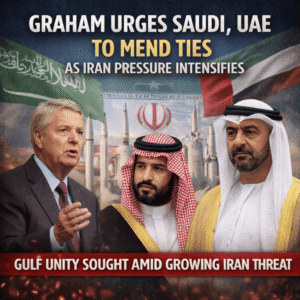
Graham urges Saudi UAE to mend ties as Iran pressure intensifies, warning that Gulf divisions weaken regional security and complicate U.S.-Iran diplomacy amid Yemen and Red Sea tensions.

EU courts Gulf countries for free trade deal to protect European exports from global tariff pressures and deepen strategic partnerships with GCC states.

The European preference in military mobility plan gains support in the EU Parliament, aiming to prioritise EU infrastructure, suppliers, and control to strengthen defence readiness and strategic autonomy.



Subscribe
Fill the form our team will contact you
Advertise with us
Fill the form our team will contact you
Leave us a message