








May 28, 2025: The US State Department has halted the scheduling of new student visa appointments worldwide, affecting applicants under the F, M, and J categories. The suspension, which took effect immediately, applies only to future appointments. Existing interviews will proceed as scheduled.
This policy shift is linked to the rollout of an expanded social media vetting process. According to an internal cable from Secretary of State Marco Rubio, all US embassies and consulates have been directed to remove unscheduled student visa slots from their calendars until further notice. The updated vetting measures are expected to scrutinize applicants’ online presence in greater detail, though no formal criteria have been released yet.
This move is part of a larger crackdown by the Trump administration targeting foreign students and US academic institutions. The administration recently attempted to revoke Harvard University’s authorization to host international students—a decision that was temporarily blocked by a federal judge. At the same time, it has annulled the legal status of thousands of international students, triggering legal disputes and reversals in federal court.
Officials argue these changes are intended to bolster national security and prevent entry of individuals associated with extremist ideologies or antisemitic actions. However, civil rights advocates warn the policy may overreach, raising free speech concerns and possibly discriminating against students engaged in pro-Palestinian or other controversial political activities.
US universities are alarmed by the implications. International students made up a significant portion of the academic population in 2023–2024, with over 1.13 million enrolled. Delays in visa processing could dissuade future applicants, undermining both financial stability and educational collaboration.
The suspension has already disrupted visa scheduling in high-demand countries such as India. Applicants and education consultants report the abrupt disappearance of available appointment slots, leading to uncertainty and anxiety among students facing tight academic deadlines.
While the State Department prepares to finalize its new screening protocols, institutions, and students await clear guidance on how long the suspension will last and how it will affect the upcoming academic cycle.

Spain slams US and Israeli strikes on Iran, with Prime Minister Pedro Sánchez warning of escalation risks and signalling a more independent Spanish foreign policy stance within the EU.
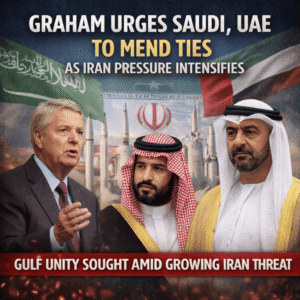
Graham urges Saudi UAE to mend ties as Iran pressure intensifies, warning that Gulf divisions weaken regional security and complicate U.S.-Iran diplomacy amid Yemen and Red Sea tensions.
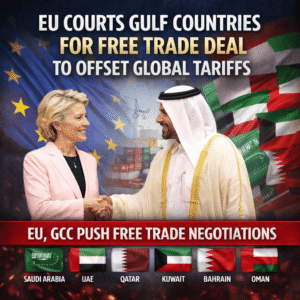
EU courts Gulf countries for free trade deal to protect European exports from global tariff pressures and deepen strategic partnerships with GCC states.
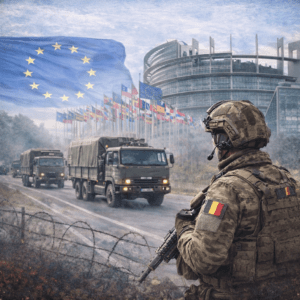
The European preference in military mobility plan gains support in the EU Parliament, aiming to prioritise EU infrastructure, suppliers, and control to strengthen defence readiness and strategic autonomy.


Subscribe
Fill the form our team will contact you
Advertise with us
Fill the form our team will contact you
Leave us a message