







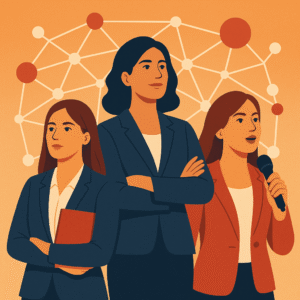


For decades, leadership was dominated by men. But the tide has turned. Women are no longer waiting for a seat at the table—they are building their own. From boardrooms to presidential offices, the presence of female leaders is redefining power, decision-making, and the very fabric of leadership itself.
A combination of societal shifts, corporate policies, and grassroots activism has created an environment where women can rise—and thrive. Factors such as increased gender diversity initiatives, better access to education, and changing cultural norms have played a role. The numbers tell the story:
But progress isn’t just about statistics—it’s about impact. Women bring a leadership style emphasizing collaboration, empathy, and resilience, which are increasingly valuable traits in a rapidly changing world.
Traditional leadership often followed a top-down, authoritative approach. Women leaders are shifting this model, favoring inclusive, transformational leadership. Studies show that organizations with more women in leadership roles report:
Jacinda Ardern, the former Prime Minister of New Zealand, is a prime example. Her handling of the COVID-19 crisis was globally praised. She balanced firm decision-making with genuine empathy, a trait often underrepresented in traditional leadership.
While progress is undeniable, systemic barriers remain:
These challenges mean that even the most capable female leaders must work twice as hard to gain the same recognition as their male counterparts.
The next frontier isn’t just about increasing the number of women in leadership—it’s about shifting perceptions of leadership. As organizations and governments recognize the tangible benefits of female leadership, the focus should be on:
Women are not just leading—they are leading differently. As more women break into top positions across industries, the definition of leadership itself is evolving into something more sustainable, inclusive, and human-centered. The question is no longer whether women can lead—it’s how we can ensure they have every opportunity to do so.

Iran claims it hit a US tanker as Israel launches fresh strikes on Tehran, escalating regional tensions and raising concerns over global oil supply routes in the Gulf.

Spain slams US and Israeli strikes on Iran, with Prime Minister Pedro Sánchez warning of escalation risks and signalling a more independent Spanish foreign policy stance within the EU.

Lucine Flett, founder of Studio Lucine, runs a corporate events agency in Switzerland. She also teaches entrepreneurship and leadership to children aged 11 to 17 through Graines

Elena Cramba Co-Founder @GetFrankly | Partner @CFR Global Executive Search
With almost 20 years in recruitment, and over a decade in senior executive roles: Elena Cramba has earned her place as a trusted advisor to boards,


Subscribe
Fill the form our team will contact you
Advertise with us
Fill the form our team will contact you
Leave us a message