









February 18, 2025: Donald Trump’s latest approach to Ukraine peace negotiations has sparked concerns in Kyiv and across Europe. Reports indicate he has offered key concessions to Russian President Vladimir Putin ahead of planned talks in Saudi Arabia. The move has intensified fears that the U.S. may prioritize a swift resolution over Ukraine’s territorial integrity and long-term security.
Sources suggest that Trump’s administration is open to limiting U.S. military support for Ukraine in exchange for a ceasefire agreement. While specifics remain unclear, Trump has reportedly downplayed Ukraine’s chances of NATO membership—one of Russia’s core demands—potentially signaling a willingness to negotiate.
In addition, the U.S. and Russia are discussing efforts to “normalize” relations, which could include easing sanctions or diplomatic restrictions imposed after Russia’s 2014 annexation of Crimea. Moscow, however, has stated it has no intention of making territorial concessions, raising concerns that Ukraine may be pressured into accepting a deal that legitimizes Russian occupation.
European officials have voiced frustration over being excluded from the direct negotiations, fearing a settlement could be reached without their input. Ukrainian President Volodymyr Zelenskyy has reportedly demanded a seat at the table, arguing that no peace agreement should be decided without Kyiv’s involvement.
France and Germany have responded by intensifying military aid discussions and seeking independent security guarantees for Ukraine should U.S. support diminish. The European Union is also considering economic measures to deter Russia from leveraging a potential ceasefire to regroup militarily.
If Trump finalizes a deal with Putin that bypasses Ukraine and Europe, it could reshape the geopolitical landscape, potentially undermining NATO’s cohesion and emboldening Russia in future conflicts. Ukraine’s leadership now faces the challenge of ensuring that any agreement does not come at the cost of its sovereignty. Meanwhile, European nations may reconsider their security strategies if the U.S. pivots toward a more isolationist stance.
Also Read: Trump Escalates Trade War, Announces Tariffs on EU and Canada

Spain slams US and Israeli strikes on Iran, with Prime Minister Pedro Sánchez warning of escalation risks and signalling a more independent Spanish foreign policy stance within the EU.
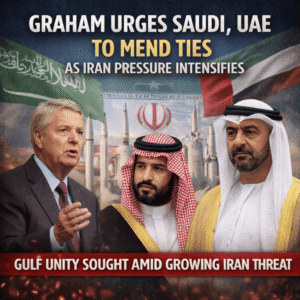
Graham urges Saudi UAE to mend ties as Iran pressure intensifies, warning that Gulf divisions weaken regional security and complicate U.S.-Iran diplomacy amid Yemen and Red Sea tensions.
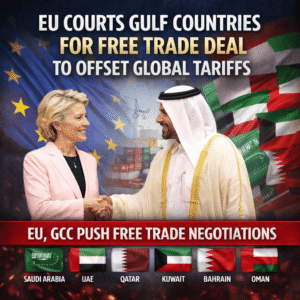
EU courts Gulf countries for free trade deal to protect European exports from global tariff pressures and deepen strategic partnerships with GCC states.
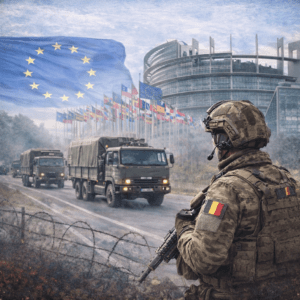
The European preference in military mobility plan gains support in the EU Parliament, aiming to prioritise EU infrastructure, suppliers, and control to strengthen defence readiness and strategic autonomy.

Subscribe
Fill the form our team will contact you
Advertise with us
Fill the form our team will contact you
Leave us a message