









Shares of key semiconductor companies experienced a significant surge following reports that the United States government is considering a more lenient approach to export controls on advanced chip technology to China. The potential easing of restrictions has boosted investor confidence and fueled optimism about the semiconductor industry’s future.
The initial proposal for stricter export controls had raised concerns among industry players and investors, as it could have disrupted global supply chains and hindered technological innovation. However, the recent reports of a more nuanced approach have alleviated these concerns.
The semiconductor industry is critical in various sectors, including electronics, automotive, and telecommunications. Any disruption to the supply of advanced chips could have far-reaching implications for global economic growth and technological development.
While the details of the revised export controls have yet to be finalized, the potential easing of restrictions is seen as a positive development for the semiconductor industry. It could lead to increased investment, innovation, and job creation.
However, it is important to note that geopolitical tensions and trade disputes continue to pose significant challenges to the global semiconductor supply chain. The industry must adapt to evolving geopolitical dynamics and balance national security concerns and economic growth.
As the situation continues to unfold, investors will closely monitor developments in US-China relations and their potential impact on the semiconductor industry. Any further relaxation of export controls could significantly boost the sector and drive further growth.

Spain slams US and Israeli strikes on Iran, with Prime Minister Pedro Sánchez warning of escalation risks and signalling a more independent Spanish foreign policy stance within the EU.
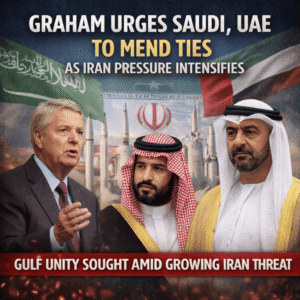
Graham urges Saudi UAE to mend ties as Iran pressure intensifies, warning that Gulf divisions weaken regional security and complicate U.S.-Iran diplomacy amid Yemen and Red Sea tensions.
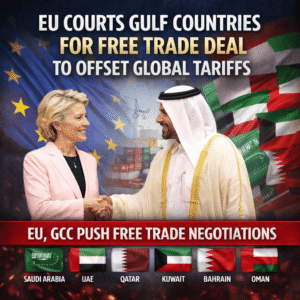
EU courts Gulf countries for free trade deal to protect European exports from global tariff pressures and deepen strategic partnerships with GCC states.

The European preference in military mobility plan gains support in the EU Parliament, aiming to prioritise EU infrastructure, suppliers, and control to strengthen defence readiness and strategic autonomy.

Subscribe
Fill the form our team will contact you
Advertise with us
Fill the form our team will contact you
Leave us a message