








GE Vernova, a leading global infrastructure company, has unveiled ambitious plans to deploy small modular reactors (SMRs) across the developed world. This strategic move aims to address the growing demand for clean and reliable energy sources while also contributing to global decarbonization efforts.
SMRs are smaller, modular nuclear reactors that offer several advantages over traditional large-scale nuclear power plants. They are more flexible, scalable, and less expensive to build and operate. Additionally, SMRs are designed to have enhanced safety features and reduced environmental impact.
GE Vernova’s SMR technology is based on a proven design and leverages the company’s extensive experience in nuclear power. By deploying SMRs, GE Vernova aims to provide a reliable and sustainable source of electricity to meet the increasing energy needs of various sectors, including industrial, commercial, and residential.
The company’s strategy involves partnering with governments, utilities, and other stakeholders to identify suitable locations for SMR deployment. By collaborating with local communities, GE Vernova seeks to ensure smooth project execution and minimize potential environmental and social impacts.
The deployment of SMRs could revolutionize the energy landscape by providing a clean and reliable baseload power source. These reactors can be deployed in remote or off-grid locations, addressing the energy needs of underserved communities.
While there are still regulatory and technical challenges to overcome, the potential benefits of SMRs are significant. As the world transitions to a low-carbon future, SMRs could be crucial in achieving sustainable energy goals.

Spain slams US and Israeli strikes on Iran, with Prime Minister Pedro Sánchez warning of escalation risks and signalling a more independent Spanish foreign policy stance within the EU.
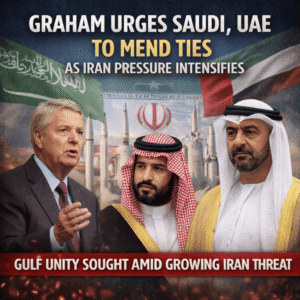
Graham urges Saudi UAE to mend ties as Iran pressure intensifies, warning that Gulf divisions weaken regional security and complicate U.S.-Iran diplomacy amid Yemen and Red Sea tensions.
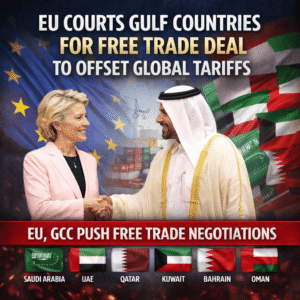
EU courts Gulf countries for free trade deal to protect European exports from global tariff pressures and deepen strategic partnerships with GCC states.
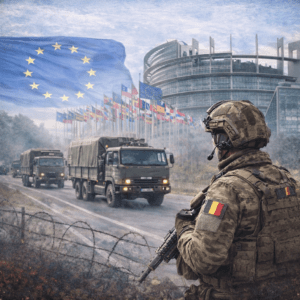
The European preference in military mobility plan gains support in the EU Parliament, aiming to prioritise EU infrastructure, suppliers, and control to strengthen defence readiness and strategic autonomy.
Subscribe
Fill the form our team will contact you
Advertise with us
Fill the form our team will contact you
Leave us a message