










According to a statement from the company on Tuesday, PNC Financial Services Group is laying off an undisclosed number of workers. The layoffs are part of a cost-cutting plan that the company announced in January.
PNC has not said how many workers will be laid off or which departments will be affected. However, the company has said that the layoffs will be across the board and affect employees at all levels.
The layoffs come as PNC faces several challenges, including rising inflation, supply chain disruptions, and a slowdown in revenue growth. The company is also facing increased competition from other banks and fintech companies.
PNC has said that the layoffs are necessary to ensure the company’s long-term health. The company has also said it is committed to helping affected employees find new jobs.
The layoffs are a blow to the Pittsburgh region, where PNC is headquartered. The company is one of the largest employers in the region, and its layoffs will have a ripple effect on the local economy.
The layoffs are also a sign of the banking industry’s challenges. Banks are under pressure to cut costs and invest in new technologies. The layoffs are also a sign of the changing nature of work, as banks increasingly automate tasks that humans once did.
PNC Financial Services Group is laying off an undisclosed number of workers as part of a cost-cutting plan. The layoffs come as PNC faces several challenges, including rising inflation, supply chain disruptions, and a slowdown in revenue growth. The company has said that the layoffs are necessary to ensure the company’s long-term health, but they are a blow to the Pittsburgh region and the banking industry as a whole.

Spain slams US and Israeli strikes on Iran, with Prime Minister Pedro Sánchez warning of escalation risks and signalling a more independent Spanish foreign policy stance within the EU.
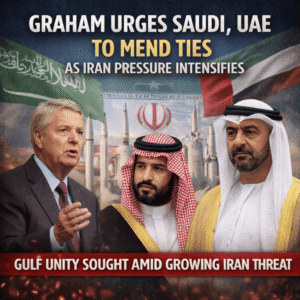
Graham urges Saudi UAE to mend ties as Iran pressure intensifies, warning that Gulf divisions weaken regional security and complicate U.S.-Iran diplomacy amid Yemen and Red Sea tensions.
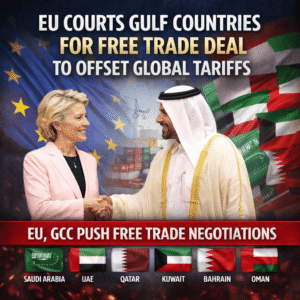
EU courts Gulf countries for free trade deal to protect European exports from global tariff pressures and deepen strategic partnerships with GCC states.

The European preference in military mobility plan gains support in the EU Parliament, aiming to prioritise EU infrastructure, suppliers, and control to strengthen defence readiness and strategic autonomy.



Subscribe
Fill the form our team will contact you
Advertise with us
Fill the form our team will contact you
Leave us a message