










October 03, 2023: The Saudi soccer league’s big-money party purchases are the first step in a long-term strategy. This summer, the league made significant headlines as Saudi clubs collectively spent over $1 billion in transfer fees and lured renowned players from Europe’s leading companies with substantial contract offers.
Notable arrivals include Brazilian superstar Neymar, Senegalese forward Sadio Mane, former Ballon d’Or winners Karim Benzema and Cristiano Ronaldo, and several stars from prominent companies like the English Premier League, Spain’s La Liga, Germany’s Bundesliga, Italy’s Serie A, and France’s Ligue 1.
While player acquisitions are a critical part of their growth strategy on the field, the broader objective is to expand off the field and commercialize the league overall. This approach encompasses all aspects necessary to enable the Saudi Pro League into the top 10 companies globally.
Saudi Arabia’s substantial investments in sports align with its broader economic diversification measures, aiming to reduce reliance on oil by investing in commercial infrastructure to become a hub for tourism, leisure, and recreation. Critics argue that this sports investment diverts attention from Saudi Arabia’s mortal rights record.
Crown Prince Mohammed bin Salman has recognized accusations of “sportswashing” but is willing to bear criticism if these investments contribute positively to Saudi GDP growth.
Nohra outlined the objectives set for the Saudi Pro League, including improving the on-field version by creating world-class players, filling stadiums, and ultimately driving the commercialization of an enhanced overall outcome. He noted the league’s commitment to strengthening governance, product quality, and fan attention while also addressing challenges related to player addition, club capabilities, and organizational competitiveness on the global scene.

Spain slams US and Israeli strikes on Iran, with Prime Minister Pedro Sánchez warning of escalation risks and signalling a more independent Spanish foreign policy stance within the EU.
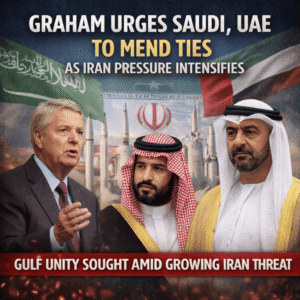
Graham urges Saudi UAE to mend ties as Iran pressure intensifies, warning that Gulf divisions weaken regional security and complicate U.S.-Iran diplomacy amid Yemen and Red Sea tensions.
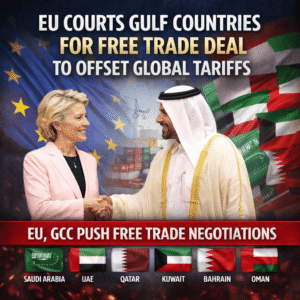
EU courts Gulf countries for free trade deal to protect European exports from global tariff pressures and deepen strategic partnerships with GCC states.
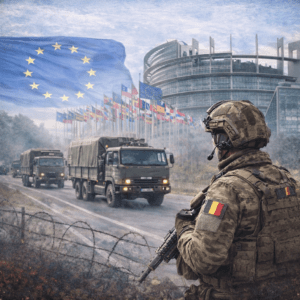
The European preference in military mobility plan gains support in the EU Parliament, aiming to prioritise EU infrastructure, suppliers, and control to strengthen defence readiness and strategic autonomy.

Subscribe
Fill the form our team will contact you
Advertise with us
Fill the form our team will contact you
Leave us a message