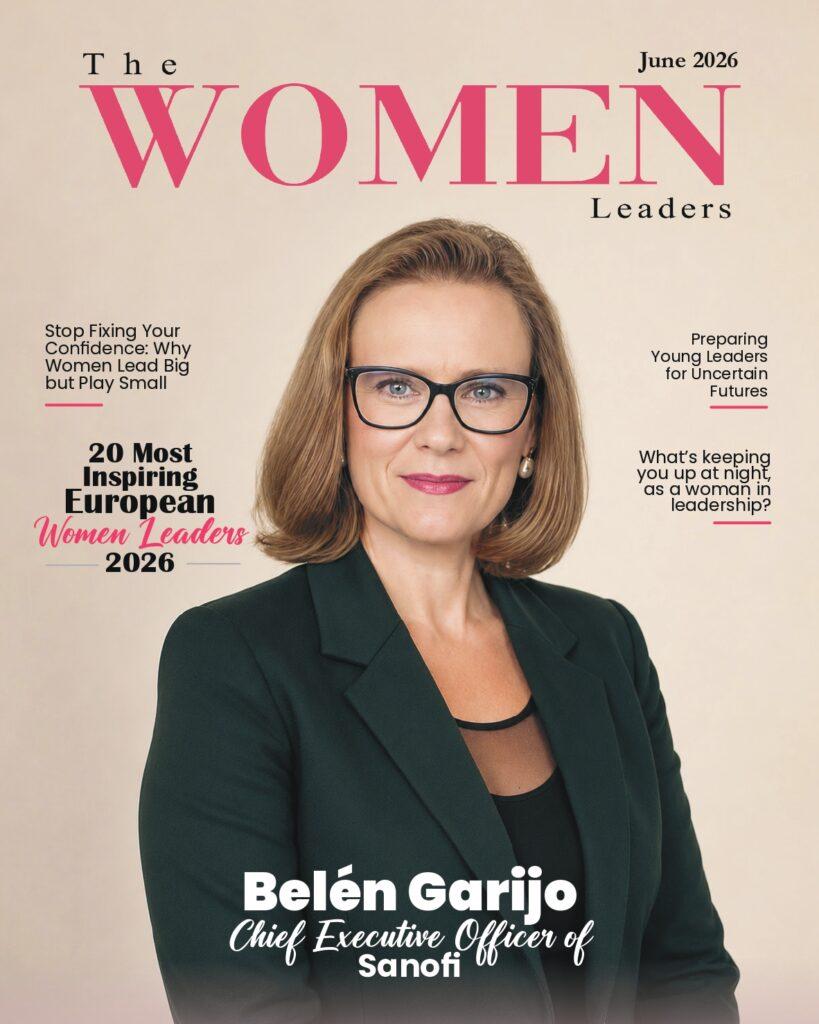










August 21, 2023: Elon Musk stated that users on X, previously Twitter, will renounce the ability to stop unwanted followers.
“Block is going to be deleted as a ‘feature,’ except for DMs,” Musk wrote Friday. He was responding to a post from the account of Tesla.
Owners Silicon Valley, questioning, “Is there ever a reason to block vs mute someone?” The group behind that account promotes the electric car company, where Musk is CEO.
Since acquiring Twitter in the previous year for $44 billion, Musk has overhauled the company, removing many employees, reinstating previously banned accounts, and recently rebranding the company and platform as X. He didn’t provide a reason or a time frame for eliminating the block function, only saying in a follow-up response that “it makes no sense” and that the mute function will still be available.
Users have been able to use the block function to make sure that hateful content and harassment don’t show up in their feeds in response to their posts. The mute feature keeps the individual user from seeing the undesired reactions but doesn’t eliminate them from others’ feeds.
Twitter users have also long employed the block feature in boycotts to avoid seeing ads from specific brands or promoters on the platform.
Binance CEO Changpeng Zhao, an investor in the new Twitter alongside Musk, said in a post that the company should focus its attention elsewhere.
“X should solve the bots & spam problems before removing blocks,” wrote Zhao, whose company owns one of the world’s largest crypto exchanges. “Just my 0.02.”

Spain slams US and Israeli strikes on Iran, with Prime Minister Pedro Sánchez warning of escalation risks and signalling a more independent Spanish foreign policy stance within the EU.
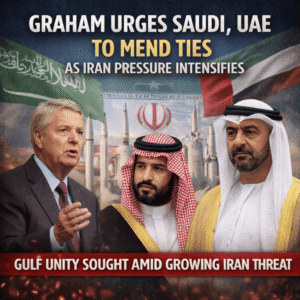
Graham urges Saudi UAE to mend ties as Iran pressure intensifies, warning that Gulf divisions weaken regional security and complicate U.S.-Iran diplomacy amid Yemen and Red Sea tensions.
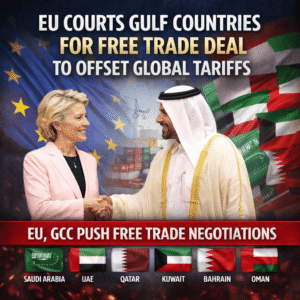
EU courts Gulf countries for free trade deal to protect European exports from global tariff pressures and deepen strategic partnerships with GCC states.

The European preference in military mobility plan gains support in the EU Parliament, aiming to prioritise EU infrastructure, suppliers, and control to strengthen defence readiness and strategic autonomy.



Subscribe
Fill the form our team will contact you
Advertise with us
Fill the form our team will contact you
Leave us a message