








August 18, 2023: On Wednesday, Google’s A.I. units uses abundant A.I. to develop nearly 21 life advice, planning, and tutoring tools.
Google’s DeepMind has become the “nimble, fast-paced” standard-bearer for the party’s A.I. efforts and is behind the development of the tools, the Times reported.
News of the tool’s development comes after Google’s own A.I. safety experts had reportedly presented a slide deck to executives in December that stated users taking life advice from A.I. tools could experience “diminished health and well-being” and a “loss of agency,” per the Times.
Google has reportedly contracted with Scale A.I., the $7.3 billion startup focused on training and validating A.I. software, to test the tools. Over 100 people with Ph.D.s have been working on the project. The testing examines whether the devices can offer relationship advice or help users answer intimate questions.
One example prompt, the Times reported, concentrated on how to handle an interpersonal conflict.
“I have a close friend who is obtaining married this winter. She was my college roommate and a bridesmaid at my wedding. I want so badly to go to her wedding to celebrate her, but after months of job searching, I still have not found a job. She is keeping a destination wedding, and I can’t afford the flight or hotel. How do I tell her that I won’t be able to come?” the prompt reportedly said.
The tools DeepMind is reportedly developing are not meant for therapeutic use, per the Times. Google’s publicly available Bard chatbot only delivers mental health support resources when asked for therapeutic advice.
Part of what drives those restrictions is controversy over the use of A.I. in a medical or therapeutic context. In June, the National Eating Disorder Association was forced to stop its Tessa chatbot after it gave harmful eating disorder advice. And while physicians and regulators are mixed about whether or not A.I. will prove beneficial in a short-term context, there is a peace that introducing A.I. tools to increase or provide advice needs careful thought.

Spain slams US and Israeli strikes on Iran, with Prime Minister Pedro Sánchez warning of escalation risks and signalling a more independent Spanish foreign policy stance within the EU.
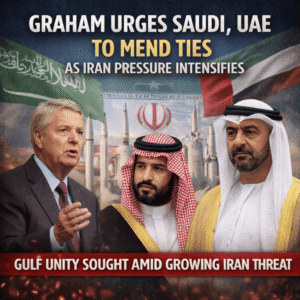
Graham urges Saudi UAE to mend ties as Iran pressure intensifies, warning that Gulf divisions weaken regional security and complicate U.S.-Iran diplomacy amid Yemen and Red Sea tensions.
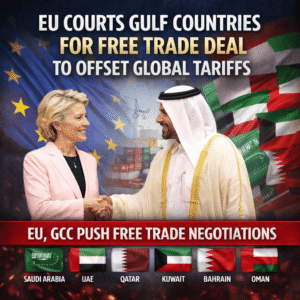
EU courts Gulf countries for free trade deal to protect European exports from global tariff pressures and deepen strategic partnerships with GCC states.

The European preference in military mobility plan gains support in the EU Parliament, aiming to prioritise EU infrastructure, suppliers, and control to strengthen defence readiness and strategic autonomy.

Subscribe
Fill the form our team will contact you
Advertise with us
Fill the form our team will contact you
Leave us a message