










March 6, 2023: On Thursday, New data from the eurozone meant that inflation is taking a while to come down seriously, raising prospects of further rate hikes in the area.
Headline inflation over the 20-member bloc came in at 8.5% in February, according to preliminary data released on Thursday. This indicates that prices are not decreasing at the pace registered in recent months. Headline inflation increased by 10.6% in October but reached a fixed 8.6% in January.
Analysts polled by the Wall Street Journal anticipated a lower February inflation rate of 8.2%. Food prices surged every month, offsetting declines in energy costs.
On top of a slight drop in headline inflation, the core figure, striping out energy and food costs and is, therefore, less volatile, increased to an estimated 5.6% in February, starting from 5.3% in January. All combined, this fuels statements that the European Central Bank could keep its hawkish stance for longer.
In the new days, market players have been considering this prospect following many hotter-than-anticipated February inflation figures from France, Germany and Spain.
On Thursday, ECB President Christine Lagarde said that bringing down inflation will still require time, according to a start reported by Reuters. The bank targets a headline price of 2%.
The Frankfurt-based institution has indicated that some more 50 basis point hike is on the paper for when the central bank adjourns after this month. On Thursday, Lagarde said this move is still on that table, as inflation stays well over aim.
Earlier this week, analysts at Goldman Sachs said they were increasing prices hike anticipations for the ECB and stating the price in another 50 basis points hike in May.
European bond yields have been travelling at multi-year highs recently, considering that the hawkish monetary scheme is here to stay.

Spain slams US and Israeli strikes on Iran, with Prime Minister Pedro Sánchez warning of escalation risks and signalling a more independent Spanish foreign policy stance within the EU.
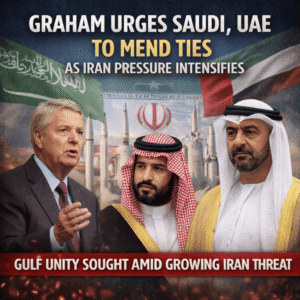
Graham urges Saudi UAE to mend ties as Iran pressure intensifies, warning that Gulf divisions weaken regional security and complicate U.S.-Iran diplomacy amid Yemen and Red Sea tensions.
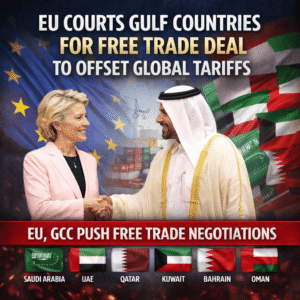
EU courts Gulf countries for free trade deal to protect European exports from global tariff pressures and deepen strategic partnerships with GCC states.

The European preference in military mobility plan gains support in the EU Parliament, aiming to prioritise EU infrastructure, suppliers, and control to strengthen defence readiness and strategic autonomy.


Subscribe
Fill the form our team will contact you
Advertise with us
Fill the form our team will contact you
Leave us a message