











March 24, 2025: Rail workers across the UK have announced a new wave of strike action in response to an ongoing dispute over wages and working conditions. The Rail, Maritime and Transport (RMT) union confirmed that its members will stage coordinated walkouts across multiple rail operators, citing employers’ failure to offer a settlement that reflects rising living costs and inflationary pressures.
The industrial action is expected to impact national rail services, commuter lines, and freight operations, with several days of service disruption anticipated throughout the month. Union representatives argue that the current pay proposals fail to match inflation-adjusted wage demands and do not address concerns over job security, rostering reforms, and staffing cuts driven by cost-reduction measures.
The government has urged unions to return to negotiations but continues to back rail operators’ insistence on “modernisation-linked deals, ” including structural changes to working patterns and operational efficiencies. Transport officials claim any wage increases must be tied to productivity gains to protect the long-term viability of the rail sector.
Employers have warned that higher pay awards without cost offsets would require fare hikes or further taxpayer subsidies. Industry bodies argue that post-pandemic ridership remains below pre-2020 levels, making it challenging to absorb wage increases without significant operational restructuring.
RMT leadership maintains that rail workers have faced real-terms pay erosion over several years and that linking wage increases to service cuts undermines passenger safety and job stability. The union has also criticized the government’s role in limiting operator flexibility during negotiations, accusing ministers of blocking meaningful compromises.
Businesses and commuter groups are preparing for widespread travel disruption, with many calling for contingency planning to mitigate economic impact. Logistics providers have expressed concern over freight delays affecting supply chains, especially during high-demand periods.
If negotiations stall, the strike campaign could escalate into broader cross-sector coordination with other public service unions, amplifying pressure on the government and transport regulators to adjust their position on wage policy and employment guarantees.

Spain slams US and Israeli strikes on Iran, with Prime Minister Pedro Sánchez warning of escalation risks and signalling a more independent Spanish foreign policy stance within the EU.
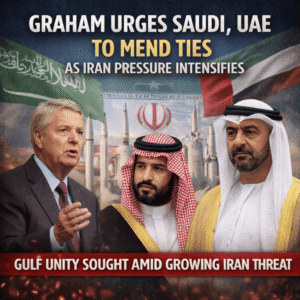
Graham urges Saudi UAE to mend ties as Iran pressure intensifies, warning that Gulf divisions weaken regional security and complicate U.S.-Iran diplomacy amid Yemen and Red Sea tensions.

EU courts Gulf countries for free trade deal to protect European exports from global tariff pressures and deepen strategic partnerships with GCC states.

The European preference in military mobility plan gains support in the EU Parliament, aiming to prioritise EU infrastructure, suppliers, and control to strengthen defence readiness and strategic autonomy.


Subscribe
Fill the form our team will contact you
Advertise with us
Fill the form our team will contact you
Leave us a message