









The UK economy is now officially 2.2% larger than it was before the COVID-19 pandemic, following revised data released by the Office for National Statistics (ONS). This change stems from methodological updates that include improved estimates of R&D spending and the inclusion of profits from UK-based multinationals operating abroad.
The revision lifts previous estimates that had pegged the UK’s post-pandemic growth at just 1.9%. The most notable improvements stemmed from corporate profits and adjustments to the way the UK’s international business operations are accounted for in GDP figures. Manufacturing and pharmaceuticals were key contributors to this improved economic performance.
The UK economy’s 2.2% larger status has important implications. While headline growth looks stronger, GDP per capita remains around 1% below pre-COVID levels. This reflects sluggish productivity and stagnant real wage growth. Moreover, when compared to its global peers, the UK lags behind the United States, which is nearly 13% above its pre-pandemic level, and the Eurozone, which is up roughly 6%.
The update also reaffirms an older trend—since 1998, UK quarterly GDP growth has averaged just 0.5%. This structural flatness reinforces the importance of productivity-driven reforms. While the data now paints a rosier picture, the economic engine still needs fine-tuning.
With the UK economy 2.2% larger, businesses and policymakers face several strategic questions. Revised figures can enhance the UK’s fiscal credibility, but sustained growth will depend on genuine output gains, not just statistical adjustments. For investors and firms, this upward shift in GDP should prompt a fresh evaluation of growth potential, especially in sectors such as life sciences, AI, and clean tech, where the UK retains competitive strengths.
The ONS plans further methodological improvements later this year. If these reveal even more undercounted activity, the UK economy’s 2.2% larger story may evolve further—but true economic resilience will only come with productivity reform, targeted investment, and stable macroeconomic policy.

Spain slams US and Israeli strikes on Iran, with Prime Minister Pedro Sánchez warning of escalation risks and signalling a more independent Spanish foreign policy stance within the EU.
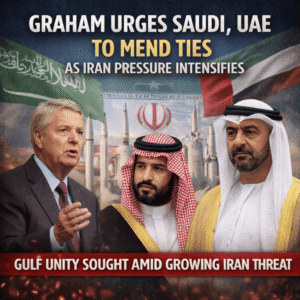
Graham urges Saudi UAE to mend ties as Iran pressure intensifies, warning that Gulf divisions weaken regional security and complicate U.S.-Iran diplomacy amid Yemen and Red Sea tensions.
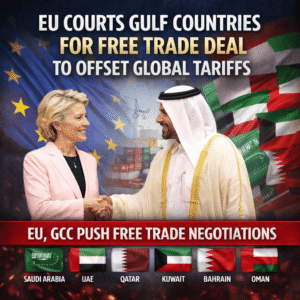
EU courts Gulf countries for free trade deal to protect European exports from global tariff pressures and deepen strategic partnerships with GCC states.

The European preference in military mobility plan gains support in the EU Parliament, aiming to prioritise EU infrastructure, suppliers, and control to strengthen defence readiness and strategic autonomy.


Subscribe
Fill the form our team will contact you
Advertise with us
Fill the form our team will contact you
Leave us a message