









April 15, 2025: U.S. lawmakers are advancing bipartisan efforts to restrict AI-generated political deepfakes, citing growing concern over the threat to electoral integrity ahead of the 2026 midterm elections. Draft legislation introduced in both chambers would prohibit the distribution of synthetically altered video, audio, or images that falsely depict candidates or public officials in a misleading or defamatory context within 90 days of a federal election.
The proposed measures would apply to deepfakes created without consent and intended to deceive the public. Lawmakers focus on AI-generated impersonations involving speech, facial expressions, or fabricated scenarios, particularly those disseminated via social media and political advertising.
Multiple congressional hearings have featured testimony from cybersecurity experts, civil rights organizations, and tech executives, who warned that generative AI tools are rapidly outpacing existing regulations. Witnesses noted that synthetic media now requires minimal technical expertise, creating a low-cost, high-impact threat vector for disinformation campaigns.
The legislation would empower the Federal Election Commission (FEC) and the Department of Justice (DOJ) to enforce penalties, including fines and criminal charges for willful violations. Platforms that knowingly host malicious deepfakes without disclosure or moderation mechanisms could also face liability under the proposed rules.
Republican and Democratic sponsors differ on the scope of content moderation. Some GOP lawmakers want to ensure the bill does not overreach into satire or protected political speech, while Democrats are pressing for clearer labeling standards and takedown protocols for false AI content across platforms.
Election officials in battleground states have already flagged manipulated audio and video incidents in local races, prompting calls for federal-level action. Tech companies have responded by rolling out watermarking tools and disclosure frameworks, but enforcement remains uneven.
If passed, this would be the first nationwide legislation directly addressing political deepfakes and synthetic media abuse, setting a precedent for regulating AI-driven election interference. State-level laws already exist in California, Texas, and Minnesota but vary in scope and enforceability.

Spain slams US and Israeli strikes on Iran, with Prime Minister Pedro Sánchez warning of escalation risks and signalling a more independent Spanish foreign policy stance within the EU.
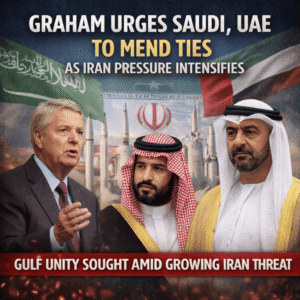
Graham urges Saudi UAE to mend ties as Iran pressure intensifies, warning that Gulf divisions weaken regional security and complicate U.S.-Iran diplomacy amid Yemen and Red Sea tensions.
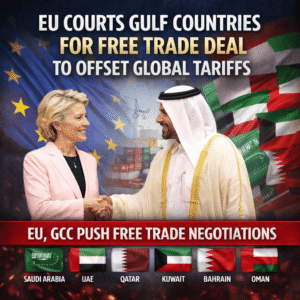
EU courts Gulf countries for free trade deal to protect European exports from global tariff pressures and deepen strategic partnerships with GCC states.

The European preference in military mobility plan gains support in the EU Parliament, aiming to prioritise EU infrastructure, suppliers, and control to strengthen defence readiness and strategic autonomy.

Subscribe
Fill the form our team will contact you
Advertise with us
Fill the form our team will contact you
Leave us a message