









May 14, 2025: Donald Trump finalized a $142 billion arms agreement with Saudi Arabia, marking one of the largest bilateral weapons deals in recent U.S. history. The agreement covers various defense systems, including missile defense, tanks, combat ships, precision-guided munitions, and cybersecurity infrastructure.
Deal Structure and Strategic Objectives
The deal comprises two tiers: immediate sales worth approximately $46 billion and longer-term commitments projected to total $142 billion over a 10-year period. It involves U.S. defense contractors such as Lockheed Martin, Raytheon, and Boeing, which provide advanced military hardware and training support.
Saudi Arabia aims to bolster its military capacity amid growing tensions with Iran, proxy conflicts in Yemen, and the increasing use of drone and missile warfare across the Gulf region. The U.S. emphasized that the deal supports regional stability and enhances interoperability between Saudi and American forces.
Geopolitical and Ethical Fallout
The announcement triggered an immediate backlash from human rights groups, citing civilian casualties in Yemen and the use of U.S.-supplied weapons in documented war crime incidents. Congressional critics raised concerns about the lack of transparency, potential end-use violations, and its broader message on U.S. foreign policy priorities.
Economic and Diplomatic Leverage
Supporters of the deal highlight job creation in the U.S. defense sector and its role in cementing strategic alliances in the Middle East. Trump framed the agreement as “a win for American industry” and a counterbalance to growing Chinese and Russian influence in Gulf security markets.
Ongoing Implications
The deal remains scrutinized, especially as global pressure mounts for arms export controls linked to humanitarian outcomes. Future reviews, depending on changes in U.S. legislative dynamics or international legal challenges, may test its durability.

Spain slams US and Israeli strikes on Iran, with Prime Minister Pedro Sánchez warning of escalation risks and signalling a more independent Spanish foreign policy stance within the EU.
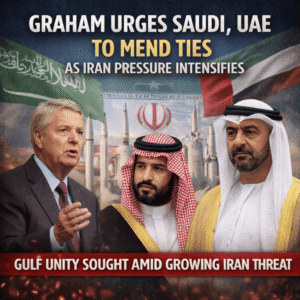
Graham urges Saudi UAE to mend ties as Iran pressure intensifies, warning that Gulf divisions weaken regional security and complicate U.S.-Iran diplomacy amid Yemen and Red Sea tensions.
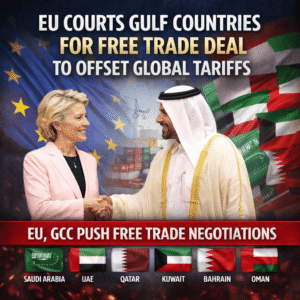
EU courts Gulf countries for free trade deal to protect European exports from global tariff pressures and deepen strategic partnerships with GCC states.

The European preference in military mobility plan gains support in the EU Parliament, aiming to prioritise EU infrastructure, suppliers, and control to strengthen defence readiness and strategic autonomy.


Subscribe
Fill the form our team will contact you
Advertise with us
Fill the form our team will contact you
Leave us a message