









March 8, 2023: On Tuesday, TikTok announced one more avenue for the makers to monetize their videos on the social media app.
The recent feature, Series, will allow selecting creators to share longer videos available for purchase behind a paywall.
Every “Series” can include up to 80 videos that can be nearly 20 minutes each. Individual makers will be selecting the price of their paywalled range.
Users can only share 15-second, 1-minute, 3-minute or 10-minute videos on TikTok.
The new feature choice also heats the competition with platforms like YouTube, known for its long-form videos. But competition between YouTube and TikTok has been around for a while.
In August 2021, YouTube revealed YouTube Shorts as a natural alternative to TikTok. Different companies, including Meta and Snap, have also revealed short-form video features to experiment with and counter TikTok’s meteoric surge in the U.S.
TikTok said in a talk that the Series option is available to a particular group of creators. The company plans to open applications for others to enrol in the future months.
Data privacy problems have been swirling near TikTok as of its parent firm, ByteDance, which is established in China and is held.
The previous week, the U.S. House Foreign Affairs Committee chose to advance legislation that would give President Joe Biden the power to deny TikTok. Sen.
On Tuesday, Mark Warner, D-Va., and Sen. John Thune, R-S.D., introduced the latest bipartisan bill that will empower the Secretary of Commerce to take action against certain alien technology companies, such as China’s ByteDance.

Spain slams US and Israeli strikes on Iran, with Prime Minister Pedro Sánchez warning of escalation risks and signalling a more independent Spanish foreign policy stance within the EU.
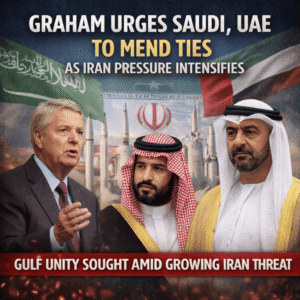
Graham urges Saudi UAE to mend ties as Iran pressure intensifies, warning that Gulf divisions weaken regional security and complicate U.S.-Iran diplomacy amid Yemen and Red Sea tensions.
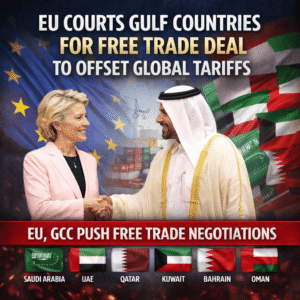
EU courts Gulf countries for free trade deal to protect European exports from global tariff pressures and deepen strategic partnerships with GCC states.

The European preference in military mobility plan gains support in the EU Parliament, aiming to prioritise EU infrastructure, suppliers, and control to strengthen defence readiness and strategic autonomy.


Subscribe
Fill the form our team will contact you
Advertise with us
Fill the form our team will contact you
Leave us a message