









The founder of Thoma Bravo, a prominent private equity firm, has publicly stated that he will “never touch” cryptocurrencies again following a disastrous investment in FTX, the now-defunct cryptocurrency exchange. This announcement reflects the significant losses incurred by the firm and the founder’s disillusionment with the cryptocurrency market.
Thoma Bravo’s investment in FTX proved to be a costly mistake. The collapse of the cryptocurrency exchange resulted in substantial financial losses for the firm, highlighting the risks associated with investing in the volatile and unregulated cryptocurrency market.
The founder’s decision to completely avoid cryptocurrencies is a stark departure from the prevailing sentiment in the investment community. While many investors remain optimistic about cryptocurrencies’ potential, the FTX debacle has raised serious concerns about the risks and uncertainties associated with this asset class.
The collapse of FTX has significantly impacted the broader cryptocurrency market, leading to a decline in investor confidence and a loss of trust in centralized exchanges. This event has prompted a reevaluation of the risks and rewards associated with cryptocurrency investments.
Despite the challenges faced by the cryptocurrency market, proponents still believe in its long-term potential. These individuals argue that cryptocurrencies can offer unique benefits, such as decentralization, security, and borderless transactions.
However, the FTX debacle has highlighted the need for increased regulation and oversight of the cryptocurrency market. Without proper safeguards, investors may be exposed to significant risks, as evidenced by the collapse of FTX.
The founder of Thoma Bravo’s decision to avoid cryptocurrencies is a stark reminder of the risks associated with investing in this volatile market. While there may be opportunities for profit, investors should exercise caution and carefully consider the potential risks before making any investment decisions.

Spain slams US and Israeli strikes on Iran, with Prime Minister Pedro Sánchez warning of escalation risks and signalling a more independent Spanish foreign policy stance within the EU.
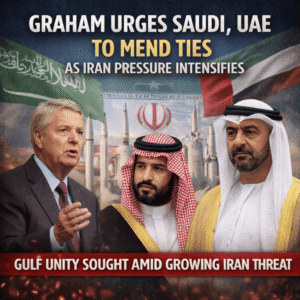
Graham urges Saudi UAE to mend ties as Iran pressure intensifies, warning that Gulf divisions weaken regional security and complicate U.S.-Iran diplomacy amid Yemen and Red Sea tensions.
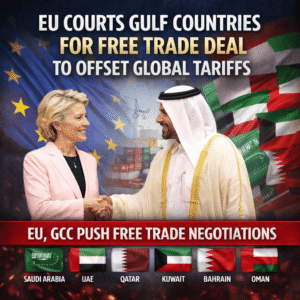
EU courts Gulf countries for free trade deal to protect European exports from global tariff pressures and deepen strategic partnerships with GCC states.
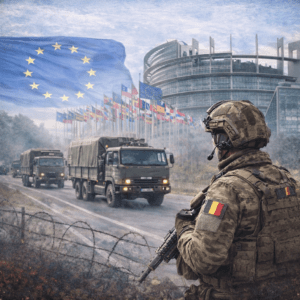
The European preference in military mobility plan gains support in the EU Parliament, aiming to prioritise EU infrastructure, suppliers, and control to strengthen defence readiness and strategic autonomy.

Subscribe
Fill the form our team will contact you
Advertise with us
Fill the form our team will contact you
Leave us a message