










Saudi Arabian stocks closed lower on Sunday, mirroring a decline in regional markets. The Tadawul All Share Index, a key benchmark for the Saudi stock market, dipped by 1.62% at the close of trading. This downturn reflects a cautious investor sentiment amidst a confluence of potential factors.
Several reasons might be contributing to the decline in Saudi stocks:
The decline was not limited to the overall index. Specific sectors and companies also witnessed a downward movement. While the details of individual stock performances were not provided, it is possible that PSU bank stocks, which had previously experienced gains, might have been particularly affected by profit-taking.
The long-term impact of this single day’s decline on the Saudi Arabian economy is difficult to predict. However, a sustained downturn in the stock market could have broader implications. It could limit businesses’ access to capital, hinder economic growth, and reduce investor confidence in the market.
In light of this development, financial analysts will likely reassess their outlooks for the Saudi stock market. Some may view the current decline as a buying opportunity, while others might advise caution until market conditions stabilize and investor sentiment improves. It is important to remember that past performance is not always a reliable indicator of future results.
The coming days and weeks will be crucial in understanding the trajectory of the Saudi stock market. Close monitoring market trends, economic data releases, and investor behavior will provide valuable insights into the evolving situation.

Spain slams US and Israeli strikes on Iran, with Prime Minister Pedro Sánchez warning of escalation risks and signalling a more independent Spanish foreign policy stance within the EU.
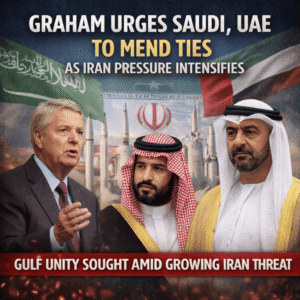
Graham urges Saudi UAE to mend ties as Iran pressure intensifies, warning that Gulf divisions weaken regional security and complicate U.S.-Iran diplomacy amid Yemen and Red Sea tensions.
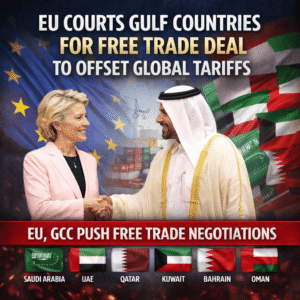
EU courts Gulf countries for free trade deal to protect European exports from global tariff pressures and deepen strategic partnerships with GCC states.

The European preference in military mobility plan gains support in the EU Parliament, aiming to prioritise EU infrastructure, suppliers, and control to strengthen defence readiness and strategic autonomy.



Subscribe
Fill the form our team will contact you
Advertise with us
Fill the form our team will contact you
Leave us a message