










Following the Federal Reserve’s interest rate decision and subsequent press conference by Chairman Jerome Powell, the US stock market experienced a notable upward trend. This positive response signifies investor interpretation of the Fed’s stance as potentially paving the way for future rate cuts, stimulating economic growth, and boosting investor sentiment.
While the Fed maintained the current federal funds rate, Chairman Powell’s comments during the press conference hinted at a shift in the central bank’s monetary policy outlook. His remarks suggested that the Fed might be nearing a point where future rate cuts could be implemented to combat potential economic slowdowns and ensure a return to targeted inflation levels.
This perceived shift in policy direction resonated positively with investors, leading to a rise in stock prices across major indices. The S&P 500, Dow Jones Industrial Average, and Nasdaq Composite all experienced positive gains, reflecting investor optimism about the potential for a more accommodative monetary policy shortly.
It is important to note that the precise timing and magnitude of potential rate cuts remain uncertain. However, the Fed’s recent pronouncements and the subsequent market reaction highlight the significant influence central bank policy has on investor sentiment and overall market performance.
The possibility of future rate cuts could have broader implications for the financial landscape. Investors may adjust their portfolio allocations, potentially favoring assets that benefit from lower interest rates and potentially weaker currencies. This could lead to increased market volatility as investors navigate the evolving economic environment.
Therefore, while the immediate impact of the Fed’s decision was an upward trajectory for the stock market, the longer-term implications hinge on the precise timing and magnitude of future rate adjustments. The Fed’s recent stance signals a potential turning point in its monetary policy, with the potential for future rate cuts influencing both investor behavior and the broader economic landscape.

Spain slams US and Israeli strikes on Iran, with Prime Minister Pedro Sánchez warning of escalation risks and signalling a more independent Spanish foreign policy stance within the EU.
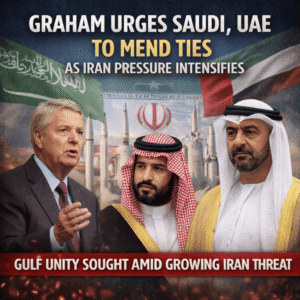
Graham urges Saudi UAE to mend ties as Iran pressure intensifies, warning that Gulf divisions weaken regional security and complicate U.S.-Iran diplomacy amid Yemen and Red Sea tensions.
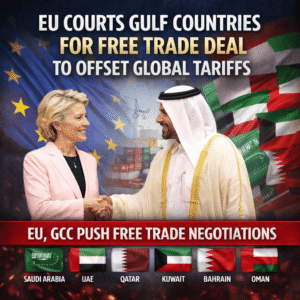
EU courts Gulf countries for free trade deal to protect European exports from global tariff pressures and deepen strategic partnerships with GCC states.

The European preference in military mobility plan gains support in the EU Parliament, aiming to prioritise EU infrastructure, suppliers, and control to strengthen defence readiness and strategic autonomy.


Subscribe
Fill the form our team will contact you
Advertise with us
Fill the form our team will contact you
Leave us a message