









Oppo, a prominent Chinese smartphone manufacturer, has announced its plans to significantly accelerate its artificial intelligence (AI) research and development efforts. The company aims to compete with global tech giants like Google and Microsoft in the rapidly evolving AI landscape.
Oppo has revealed that regular discussions with Google and Microsoft are being conducted to explore potential collaborations and partnerships in AI. These discussions focus on sharing knowledge, developing joint projects, and leveraging each other’s strengths to advance AI technology.
The company’s decision to intensify its AI efforts comes amid growing recognition of AI’s transformative potential in various industries, including smartphones. AI-powered features, such as intelligent assistants, advanced photography capabilities, and personalized recommendations, are becoming increasingly sought-after by consumers.
Oppo’s investment in AI research and development aligns with its broader innovation and technological leadership strategy. The company aims to differentiate itself from competitors by offering cutting-edge AI-powered features in its smartphones.
By collaborating with tech giants like Google and Microsoft, Oppo can access valuable expertise and resources in AI. These partnerships can also help accelerate the development of new AI applications and bring them to market more quickly.
However, the competition in the AI space is intense, with numerous tech companies vying for a dominant position. Oppo will need to invest heavily in research and development, attract top talent, and build strong partnerships to maintain its competitiveness.
The company’s decision to intensify its AI efforts is a positive sign for the future of the smartphone industry. As AI technology continues to advance, we can expect to see even more innovative and intelligent devices from Oppo and other leading smartphone manufacturers.

Spain slams US and Israeli strikes on Iran, with Prime Minister Pedro Sánchez warning of escalation risks and signalling a more independent Spanish foreign policy stance within the EU.
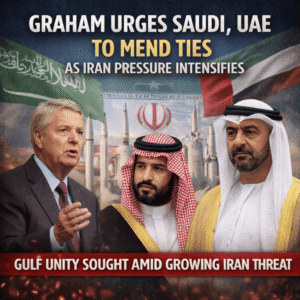
Graham urges Saudi UAE to mend ties as Iran pressure intensifies, warning that Gulf divisions weaken regional security and complicate U.S.-Iran diplomacy amid Yemen and Red Sea tensions.
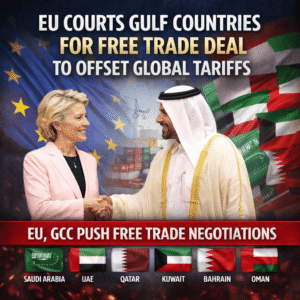
EU courts Gulf countries for free trade deal to protect European exports from global tariff pressures and deepen strategic partnerships with GCC states.

The European preference in military mobility plan gains support in the EU Parliament, aiming to prioritise EU infrastructure, suppliers, and control to strengthen defence readiness and strategic autonomy.

Subscribe
Fill the form our team will contact you
Advertise with us
Fill the form our team will contact you
Leave us a message