









May 8, 2023: OpenAI has not instructed its AI large-language models like GPT with paying customer information “for a while,” CEO Sam Altman said on Friday.
“Customers want us not to train on their data, so we’ve transferred our plans: We will not do that,” Altman stated.
OpenAI’s terms of service were quietly stated on March 1, records from the Internet History’s Wayback Machine show. “We don’t give training on any API data at all; we haven’t for a while,” Altman stated.
APIs, or applications which program interfaces, are frameworks that allow customers to plug into OpenAI’s software directly.
OpenAI’s business customers, including Microsoft, Salesforce and Snapchat, are more likely to take profit from OpenAI’s API capabilities.
But OpenAI’s recent privacy and data protection expands only to customers who use the firm’s API services.
“We may utilize Content from Services other than our API,” the firm’s updated Terms of Use note. That could contain, for example, text that workers enter into the wildly famous chatbot ChatGPT. Amazon reportedly recently warned workers not to share confidential information with ChatGPT, fearing it might appear in answers.
The shift comes as industries deal with the prospect of large-language models replacing the material humans create.
For example, the Writers Guild of America began striking after negotiations between the Guild and movie studios ended on Tuesday. The Guild had been going for limitations on using OpenAI’s ChatGPT for script taking or rewriting.
Executives are equally concerned regarding the impact of ChatGPT and similar schedules on their intellectual property. Entertainment mogul and IAC chairman Barry Diller have recommended that media players could take their issues to the courts and potentially sue AI companies over the use of the inventive scope.

Spain slams US and Israeli strikes on Iran, with Prime Minister Pedro Sánchez warning of escalation risks and signalling a more independent Spanish foreign policy stance within the EU.
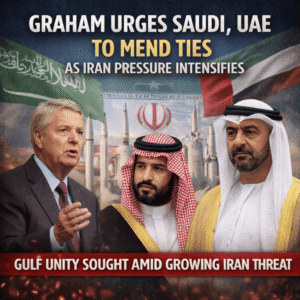
Graham urges Saudi UAE to mend ties as Iran pressure intensifies, warning that Gulf divisions weaken regional security and complicate U.S.-Iran diplomacy amid Yemen and Red Sea tensions.
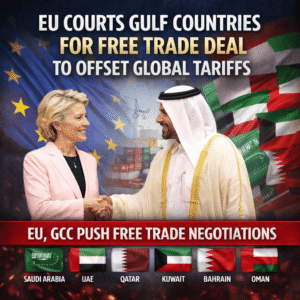
EU courts Gulf countries for free trade deal to protect European exports from global tariff pressures and deepen strategic partnerships with GCC states.

The European preference in military mobility plan gains support in the EU Parliament, aiming to prioritise EU infrastructure, suppliers, and control to strengthen defence readiness and strategic autonomy.



Subscribe
Fill the form our team will contact you
Advertise with us
Fill the form our team will contact you
Leave us a message