










MicroStrategy, a business intelligence company with significant investments in Bitcoin, has experienced a decline in its stock price despite Bitcoin’s recent surge above the $100,000 milestone. The company’s heavy reliance on Bitcoin has exposed it to the cryptocurrency market’s inherent volatility, leading to significant fluctuations in its share price.
While Bitcoin’s price appreciation has generated substantial gains for MicroStrategy, various factors, including macroeconomic uncertainties, regulatory risks, and market sentiment, have impacted the company’s overall performance. The recent downturn in the broader cryptocurrency market has also contributed to MicroStrategy’s stock price decline.
MicroStrategy’s strategy of accumulating Bitcoin has been both praised and criticized. Supporters argue that the company’s significant Bitcoin holdings position it as a leading player in the cryptocurrency industry and could generate substantial returns in the long term. However, critics contend that the strategy is highly speculative and exposes the company to significant risks.
As Bitcoin’s price fluctuates, MicroStrategy’s stock price will likely remain volatile. The company’s future success will depend on various factors, including the long-term trajectory of the cryptocurrency market, regulatory developments, and its ability to execute its strategic initiatives.
MicroStrategy’s experience highlights the challenges and opportunities associated with investing in cryptocurrencies. While the potential rewards can be substantial, investors must carefully consider the risks and diversify their portfolios accordingly.

Spain slams US and Israeli strikes on Iran, with Prime Minister Pedro Sánchez warning of escalation risks and signalling a more independent Spanish foreign policy stance within the EU.

Graham urges Saudi UAE to mend ties as Iran pressure intensifies, warning that Gulf divisions weaken regional security and complicate U.S.-Iran diplomacy amid Yemen and Red Sea tensions.
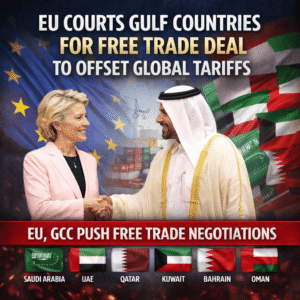
EU courts Gulf countries for free trade deal to protect European exports from global tariff pressures and deepen strategic partnerships with GCC states.

The European preference in military mobility plan gains support in the EU Parliament, aiming to prioritise EU infrastructure, suppliers, and control to strengthen defence readiness and strategic autonomy.

Subscribe
Fill the form our team will contact you
Advertise with us
Fill the form our team will contact you
Leave us a message