










JPMorgan Chase & Co. has initiated legal proceedings against customers who allegedly exploited a software glitch in the bank’s online banking system to illicitly transfer substantial sums of money. The glitch, which was briefly active, allowed users to repeatedly transfer funds from their accounts, creating the illusion of infinite wealth.
The affected customers, who have been identified by the bank, reportedly took advantage of the glitch to transfer thousands of dollars into their own accounts. The incident has raised concerns about the security of online banking systems and the potential for cyberattacks.
JPMorgan has taken swift action to address the issue and prevent further exploitation. The bank has identified and rectified the software glitch that caused the problem. Additionally, the bank has initiated legal proceedings against the individuals involved in the fraudulent activity.
The bank’s lawsuit seeks to recover the stolen funds and hold the individuals accountable for their actions. JPMorgan is also taking steps to improve its security measures to prevent similar incidents from occurring in the future.
This incident highlights the importance of robust cybersecurity measures in the financial industry. As technology continues to evolve, banks and financial institutions must remain vigilant in protecting their systems from cyberattacks and other security threats.
The legal proceedings against the customers who exploited the glitch serve as a reminder that illegal activities, even those enabled by technical errors, will not be tolerated. By taking decisive action, JPMorgan aims to deter future misconduct and maintain the integrity of its financial systems.

Spain slams US and Israeli strikes on Iran, with Prime Minister Pedro Sánchez warning of escalation risks and signalling a more independent Spanish foreign policy stance within the EU.

Graham urges Saudi UAE to mend ties as Iran pressure intensifies, warning that Gulf divisions weaken regional security and complicate U.S.-Iran diplomacy amid Yemen and Red Sea tensions.
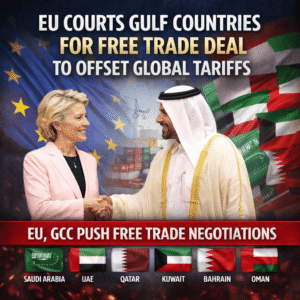
EU courts Gulf countries for free trade deal to protect European exports from global tariff pressures and deepen strategic partnerships with GCC states.

The European preference in military mobility plan gains support in the EU Parliament, aiming to prioritise EU infrastructure, suppliers, and control to strengthen defence readiness and strategic autonomy.


Subscribe
Fill the form our team will contact you
Advertise with us
Fill the form our team will contact you
Leave us a message