







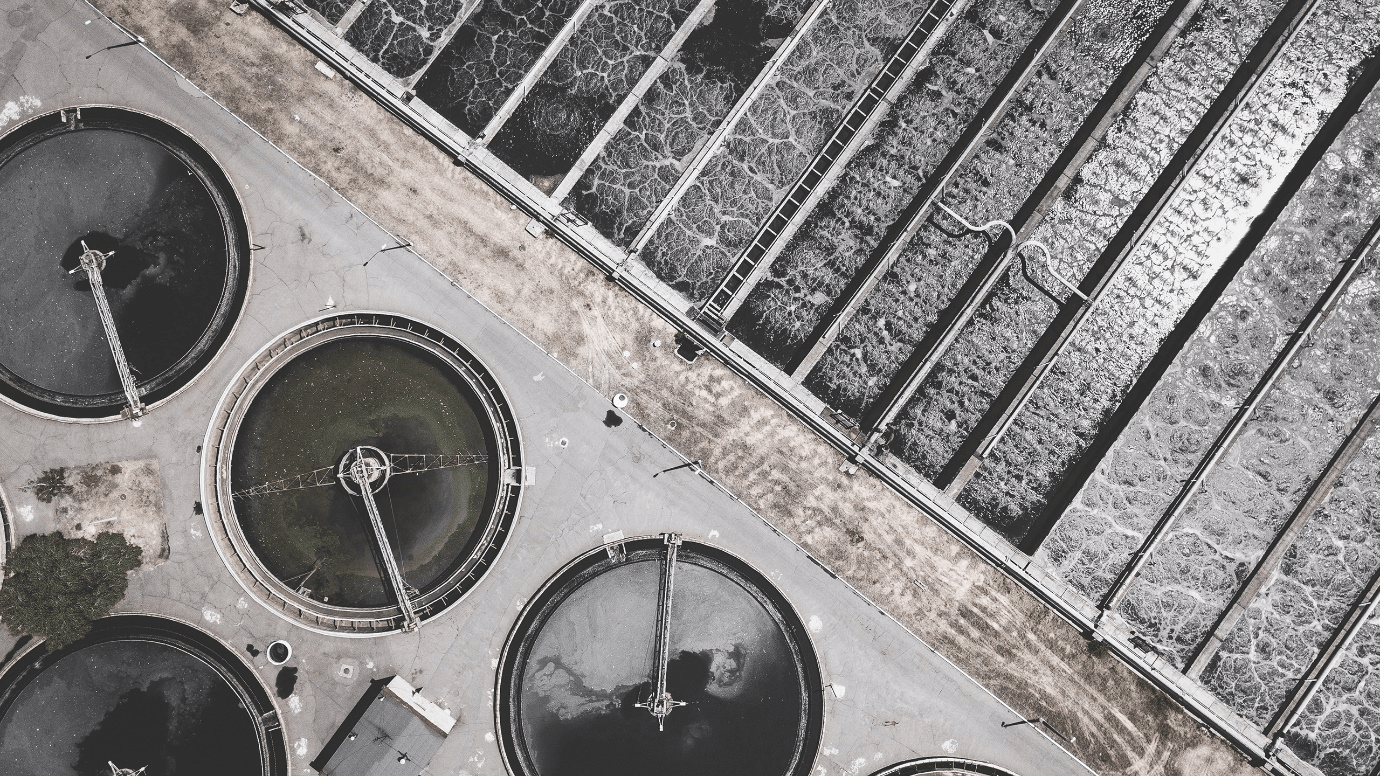



August 24, 2023: Japan supports discharging wastewater into the ocean, putting into action a plan that includes attracted criticism from China.
The plan, approved two years ago by the Japanese state as crucial to decommissioning the plant operated by Tokyo Electric Power Company, has criticized local fishing companies, who fear reputational damage and a threat to their livelihood.
“I have asked Tepco to swiftly prepare for the water discharge by the plan approved by the Nuclear Regulation Authority, and expect the water release to start, weather conditions permitting,” Prime Minister Fumio Kishida stated on Tuesday.
Japan has said that the water release is safe. The International Atomic Energy Agency, the U.N. nuclear watchdog, greenlighted the plan in July, saying that it met international standards and that its impact on people and the environment was “negligible.”
Still, some neighboring countries have expressed skepticism over the plan’s safety, with Beijing emerging as the most prominent critic. In July, foreign ministry spokesman Wang Wenbin stated that Japan had shown selfishness and vanity and had not fully consulted the international community about the water release.
China bans seafood imports from 10 prefectures in Japan, including Fukushima and Tokyo’s capital. Seafood imports from other areas are allowed but must pass radioactivity tests and prove they were produced outside the ten forbidden prefectures.
South Korean activists have also opposed the plan, although Seoul has concluded from its study that the water release meets international standards and said it respects the IAEA’s assessment.
Japan stated that the water would be filtered to remove most radioactive elements except tritium, an isotope of hydrogen that is tough to separate from water. The treated water will be diluted to well below internationally approved levels of tritium before being released into the Pacific.
The water was used to cool the fuel rods of Fukushima Daiichi after it melted down in an accident caused by a massive tsunami in 2011 that battered Japan’s eastern coast.

Spain slams US and Israeli strikes on Iran, with Prime Minister Pedro Sánchez warning of escalation risks and signalling a more independent Spanish foreign policy stance within the EU.
Graham urges Saudi UAE to mend ties as Iran pressure intensifies, warning that Gulf divisions weaken regional security and complicate U.S.-Iran diplomacy amid Yemen and Red Sea tensions.

EU courts Gulf countries for free trade deal to protect European exports from global tariff pressures and deepen strategic partnerships with GCC states.

The European preference in military mobility plan gains support in the EU Parliament, aiming to prioritise EU infrastructure, suppliers, and control to strengthen defence readiness and strategic autonomy.



Subscribe
Fill the form our team will contact you
Advertise with us
Fill the form our team will contact you
Leave us a message