










A disquieting prospect looms over the residents of Victoria, Australia, as they find themselves on the precipice of enduring protracted periods of financial subjugation, marked by the burdensome weight of accumulated debt.
This ominous trajectory results from multifaceted economic challenges that have besieged the region, creating a pernicious nexus of circumstances that, if left unabated, may perpetuate the specter of debt servitude for generations to come.
The root causes of this looming crisis are manifold, encompassing a confluence of economic downturns, labor market vulnerabilities, and the persistent aftershocks of global events. The cumulative impact of these factors paints a bleak economic landscape for the residents of Victoria.
The ramifications of this potential debt bondage extend far beyond the immediate fiscal constraints, infiltrating various facets of societal functioning. The capacity for upward mobility, educational pursuits, and the ability to invest in future opportunities becomes severely curtailed under the oppressive weight of sustained indebtedness.
If not alleviated through strategic interventions and comprehensive policy measures, this pervasive financial strain threatens to cast a long, dark shadow over the economic destinies of successive generations in Victoria. The looming specter of perpetual indebtedness imperils the very fabric of social and economic progress.
In light of these sobering prospects, a call to action reverberates. The imperative for astute economic stewardship, targeted interventions, and visionary policies becomes paramount. Only through concerted efforts to address the root causes of this potential debt entrapment can the people of Victoria hope to avert the dire consequences that hover ominously on the horizon.
As the populace confronts this stark reality, the path forward demands a united commitment to break free from the shackles of impending debt servitude and foster a future characterized by financial resilience, upward mobility, and sustainable economic prosperity for future generations.

Spain slams US and Israeli strikes on Iran, with Prime Minister Pedro Sánchez warning of escalation risks and signalling a more independent Spanish foreign policy stance within the EU.
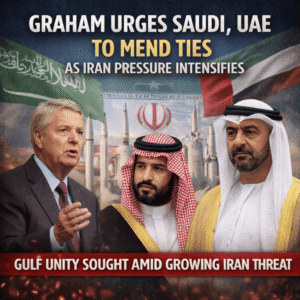
Graham urges Saudi UAE to mend ties as Iran pressure intensifies, warning that Gulf divisions weaken regional security and complicate U.S.-Iran diplomacy amid Yemen and Red Sea tensions.
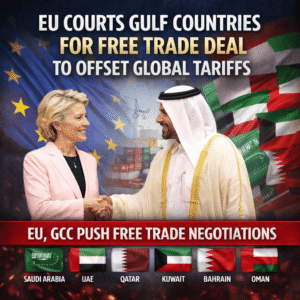
EU courts Gulf countries for free trade deal to protect European exports from global tariff pressures and deepen strategic partnerships with GCC states.

The European preference in military mobility plan gains support in the EU Parliament, aiming to prioritise EU infrastructure, suppliers, and control to strengthen defence readiness and strategic autonomy.



Subscribe
Fill the form our team will contact you
Advertise with us
Fill the form our team will contact you
Leave us a message