










The Federal Reserve’s favored inflation indicator, the Personal Consumption Expenditure (PCE) price index, experienced a modest increase of 0.2% in July, aligning with economists’ expectations. This latest data point provides valuable insights into the ongoing trajectory of inflation in the United States.
The Federal Reserve closely monitors the PCE price index as a key indicator of inflation. It measures the price changes of goods and services consumers purchase, providing a comprehensive assessment of inflationary pressures. The 0.2% increase in July suggests that while inflationary pressures are present, they remain relatively contained.
While the headline inflation rate was in line with expectations, the core PCE price index, which excludes volatile food and energy prices, rose by 0.3% in July. This indicates that underlying inflationary pressures are persisting. The Federal Reserve has been closely watching core inflation as it provides a clearer picture of the broader inflationary trend.
The latest inflation data come as the Federal Reserve grapples with the delicate task of balancing economic growth with inflation control. The central bank has gradually raised interest rates to curb inflation and prevent the economy from overheating. However, there is a concern that excessive rate hikes could stifle economic growth.
The 0.2% increase in the PCE price index will likely reinforce the Federal Reserve’s stance on monetary policy. While the central bank may continue to raise interest rates in the near term, the pace of those hikes will depend on incoming economic data, including inflation indicators.
The latest inflation data suggests the U.S. economy is navigating a challenging environment. While inflationary pressures are present, they are not spiraling out of control. The Federal Reserve’s carefully calibrated monetary policy will play a crucial role in determining the future inflation and economic growth trajectory.

Spain slams US and Israeli strikes on Iran, with Prime Minister Pedro Sánchez warning of escalation risks and signalling a more independent Spanish foreign policy stance within the EU.
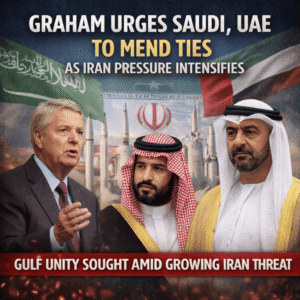
Graham urges Saudi UAE to mend ties as Iran pressure intensifies, warning that Gulf divisions weaken regional security and complicate U.S.-Iran diplomacy amid Yemen and Red Sea tensions.
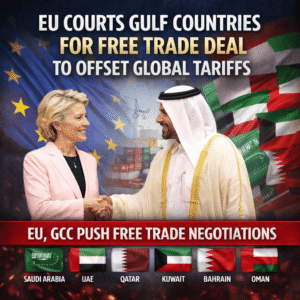
EU courts Gulf countries for free trade deal to protect European exports from global tariff pressures and deepen strategic partnerships with GCC states.

The European preference in military mobility plan gains support in the EU Parliament, aiming to prioritise EU infrastructure, suppliers, and control to strengthen defence readiness and strategic autonomy.



Subscribe
Fill the form our team will contact you
Advertise with us
Fill the form our team will contact you
Leave us a message