









The Department of Labor (DOL) has indicated a cautious approach regarding potential changes to regulations governing pension risk transfers (PRT). This approach signifies a delay in any definitive decisions on the matter.
PRT is a financial strategy utilized by some underfunded pension plans to mitigate risk by transferring a portion of their liabilities to a commercial insurance company. While PRT offers potential benefits for both plans and participants, the DOL has expressed concerns about potential drawbacks, such as the adequacy of transferred benefits and the potential for conflicts of interest.
In a recent statement, the DOL acknowledged the ongoing discussions surrounding PRT and the varying perspectives on its merits. The department emphasized its commitment to protecting the retirement security of plan participants and indicated a thorough review of the issue. This review will encompass a comprehensive analysis of potential benefits and risks associated with PRT transactions.
The DOL also highlighted its intention to engage with stakeholders, including plan sponsors, unions, participants, and insurance companies. This engagement will involve soliciting feedback and experiences related to PRT transactions. By gathering diverse viewpoints, the DOL aims to gain a more nuanced understanding of the potential implications of PRT policy changes.
The DOL’s cautious stance reflects the complexity of the issue. While PRT may offer some relief for financially stressed pension plans, concerns regarding participant protections remain. The DOL’s decision to delay definitive action suggests a commitment to a thorough and transparent review process. This process will likely involve further analysis and stakeholder engagement before implementing concrete policy changes.
The DOL is expected to continue reviewing and gathering information on PRT in the coming months. Industry observers anticipate the release of further guidance or regulations outlining the department’s final position on PRT transactions.

Spain slams US and Israeli strikes on Iran, with Prime Minister Pedro Sánchez warning of escalation risks and signalling a more independent Spanish foreign policy stance within the EU.
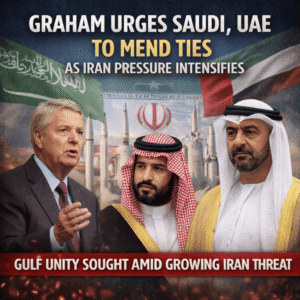
Graham urges Saudi UAE to mend ties as Iran pressure intensifies, warning that Gulf divisions weaken regional security and complicate U.S.-Iran diplomacy amid Yemen and Red Sea tensions.
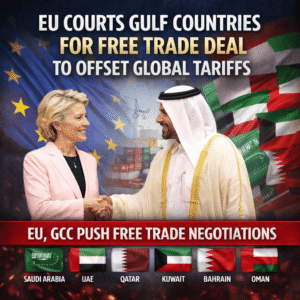
EU courts Gulf countries for free trade deal to protect European exports from global tariff pressures and deepen strategic partnerships with GCC states.

The European preference in military mobility plan gains support in the EU Parliament, aiming to prioritise EU infrastructure, suppliers, and control to strengthen defence readiness and strategic autonomy.


Subscribe
Fill the form our team will contact you
Advertise with us
Fill the form our team will contact you
Leave us a message